





What is galvanized wire rope used for?
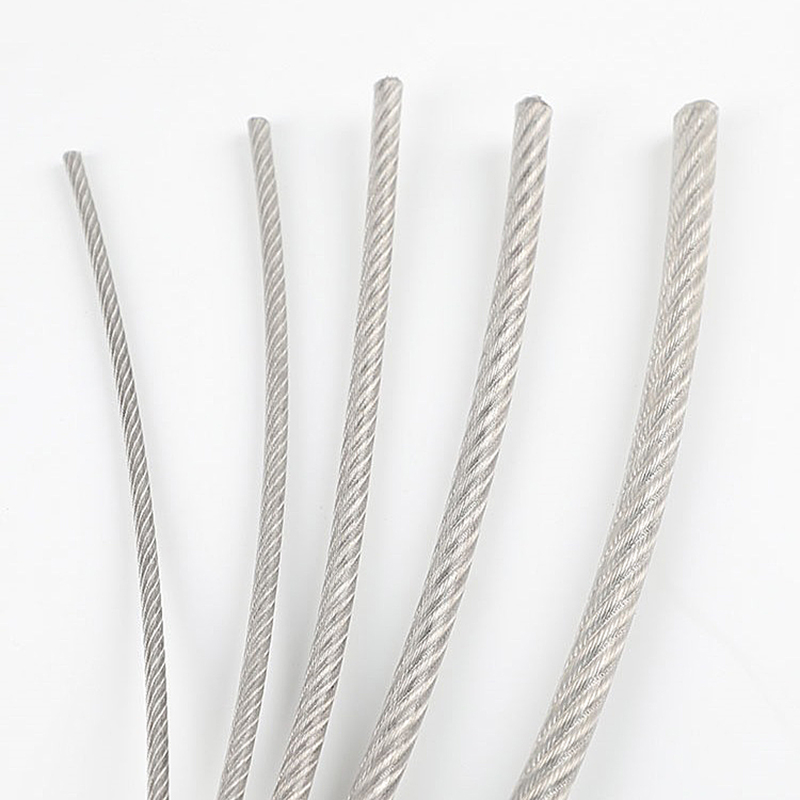
Galvanized wire rope is used wherever a project needs dependable tensile strength, flexibility, and better corrosion resistance than bright steel rope can offer. In practical terms, that means it is widely selected for lifting support, marine rigging, construction tie-offs, mining systems, port handling, agricultural barriers, and many forms of industrial traction.
For most buyers, the real question is not simply what galvanized wire rope is, but whether it is the right choice for their working environment, load pattern, service life expectations, and maintenance budget. The answer depends on how the rope will be used, how often it moves, and how much exposure it has to moisture, salt, abrasion, or chemicals.
Where galvanized wire rope is most commonly used
Galvanized wire rope is especially common in outdoor and semi-corrosive environments. The zinc coating helps protect the steel beneath it, making the rope more suitable for conditions where humidity, rain, spray, or intermittent water exposure would shorten the life of ordinary uncoated rope.
In lifting and hoisting systems, galvanized wire rope is often used for cranes, winches, hoists, and light-to-medium duty lifting assemblies. It is valued when equipment operates outside or near moisture, where rust prevention directly affects safety, inspection intervals, and replacement frequency.
In marine and port operations, galvanized wire rope is used for mooring support, cargo handling, dockside rigging, small vessel equipment, and general utility lines. While stainless steel may be preferred for highly aggressive environments, galvanized rope remains a cost-effective solution for many shipyard and harbor applications.
In construction, galvanized wire rope is frequently used for guy wires, guardrail systems, temporary structural bracing, suspended elements, and material handling support. Contractors often choose it because it balances mechanical performance with practical durability on exposed job sites.
Mining and quarry operations also use galvanized wire rope in traction, hauling, securing, and auxiliary lifting roles. In these settings, corrosion resistance matters, but so does resistance to wear, fatigue, and repeated bending under load, which means rope selection must go beyond coating alone.
For agriculture and infrastructure, galvanized wire rope is widely used in fencing systems, greenhouse support lines, trellis structures, utility stabilization, and barrier applications. These are often long-service installations where low maintenance and weather resistance matter more than maximum lifting performance.
Why many industrial buyers choose galvanized wire rope
The main reason buyers choose galvanized wire rope is that it extends service life in challenging environments without the full cost of stainless steel. For many industrial applications, this creates a practical middle ground between basic carbon steel rope and premium corrosion-resistant alternatives.
Another advantage is versatility. Galvanized wire rope can be manufactured in different diameters, constructions, strand counts, and core types, allowing it to serve very different roles, from flexible operating ropes to more static support and restraint systems.
It also supports long-term operating efficiency. When corrosion is reduced, rope surfaces remain more stable, inspection becomes more predictable, and unexpected replacement cycles are less likely. For fleet operators, contractors, and plant managers, that can mean lower downtime and more controlled maintenance planning.
For industrial procurement teams, this matters because rope cost should never be judged by purchase price alone. Installation frequency, field failures, labor for replacement, and equipment stoppage often have a bigger cost impact than the rope itself.
What galvanized wire rope is not ideal for
Galvanized wire rope is not the best answer for every environment. In highly corrosive chemical settings, permanent seawater immersion, or very hygiene-sensitive industries, stainless steel wire rope may be the more appropriate choice despite its higher material cost.
It can also be the wrong choice if the application involves severe crushing, shock loading, or repeated heavy-duty lifting beyond the rope’s intended design. In those cases, the issue is not galvanization, but whether wire rope is the right lifting medium compared with alloy chain or engineered sling systems.
Buyers sometimes treat all galvanized wire rope as interchangeable, which creates risk. Zinc coating improves corrosion resistance, but it does not override the need to match rope construction, tensile grade, flexibility, diameter tolerance, and end termination method to the actual use case.
How to decide whether galvanized wire rope fits your application
The first step is to define whether the rope will be used for lifting, pulling, securing, suspending, or stabilizing. These functions may appear similar, but they involve different load behaviors, different safety requirements, and often different inspection standards.
Next, evaluate the environment carefully. Buyers should consider humidity, salt exposure, dirt, abrasive particles, temperature swings, and contact with chemicals. A rope that performs well in a warehouse may fail much sooner at a port, mine, or coastal construction site.
Then look at movement conditions. A rope used on sheaves or drums needs the right flexibility and fatigue resistance. A rope used as a guy wire or fixed support may place greater emphasis on tensile capacity and corrosion protection than on bending performance.
Specification details also matter. Diameter, rope construction, lay direction, minimum breaking force, and lubrication condition all influence service life and safety. A correct specification reduces the risk of early wire breakage, deformation, bird-caging, and uneven wear.
For buyers handling mixed projects, it is often useful to work with a supplier that can provide not only galvanized wire rope, but also slings and chains for applications where rope is not the most efficient or safest choice.
When chain may be a better option than wire rope
Although galvanized wire rope is highly useful, some lifting and traction tasks are better served by alloy lifting chain. Chain is often preferred when the application involves rugged handling, high heat influence, edge contact, or a need for easier length adjustment in the field.
For example, in heavy lifting machinery, port loading, mining, or construction lifting points with concentrated wear, a Grade 80 lifting chain may offer a more robust solution. Chain can also simplify inspection in some operating conditions because deformation and wear patterns are visually easier to identify.
In those cases, products such as NACM90 EN818-2 G80 Black Heavy Duty 6mm 8mm 10mm Alloy Steel Lifting Chain fit applications involving lifting, traction, bundling, and industrial handling. With alloy steel construction, multiple surface treatment options, and compliance with standards such as EN818-2, this type of chain is often selected where high strength and lifting security are priorities.
This matters because a smart buyer does not force one product to solve every job. A reliable supplier should help determine whether galvanized wire rope, stainless wire rope, plastic coated rope, pressed slings, or lifting chain is the better operational fit.
What buyers should ask before placing an order
Before purchasing galvanized wire rope, buyers should ask about material source, production consistency, dimensional tolerance, coating quality, and inspection procedures. These factors directly influence whether the rope will perform consistently across batches and during long service cycles.
It is also important to confirm available diameter range, strand configuration, customization support, and whether the supplier can deliver assembled products such as slings or matched lifting components. This is especially useful for OEMs, distributors, contractors, and industrial end users managing multiple equipment categories.
Manufacturing capability matters as well. Suppliers with integrated production and inspection systems are usually in a better position to control raw material quality, drawing accuracy, twisting stability, and final rope performance. That is particularly important for projects where reliability and repeatability are critical.
Shandong Faster Technology Co., Ltd. serves this market with integrated rope, sling, and chain supply capabilities. Its production covers galvanized, stainless steel, and plastic coated wire rope in diameters from 1mm to 20mm, alongside customized pressed slings and chain products for lifting, traction, and fixation across multiple industries.
Conclusion
Galvanized wire rope is used in a wide range of industrial and commercial applications because it combines strength, flexibility, and practical corrosion resistance. It is especially valuable in lifting support, marine utility work, construction stabilization, mining assistance, port handling, and outdoor structural systems.
The best buying decision comes from matching the rope to the actual operating environment, movement pattern, and safety requirement. When buyers understand not only what galvanized wire rope is used for, but also where its limits are, they can choose specifications more confidently and reduce long-term operating risk.
In short, galvanized wire rope is a dependable solution for many demanding scenarios, but the right result depends on correct selection. For projects involving lifting, traction, securing, or integrated hardware needs, choosing a supplier with broad manufacturing and customization capability creates a clear operational advantage.
Navigation
Send Us A Message



Shandong Faster Technology Co., Ltd. is a professional manufacturer of steel wire ropes.
Get in Touch
*We respect your confidentiality and all information are protected.