





What does 6x36 construction mean for steel wire rope?
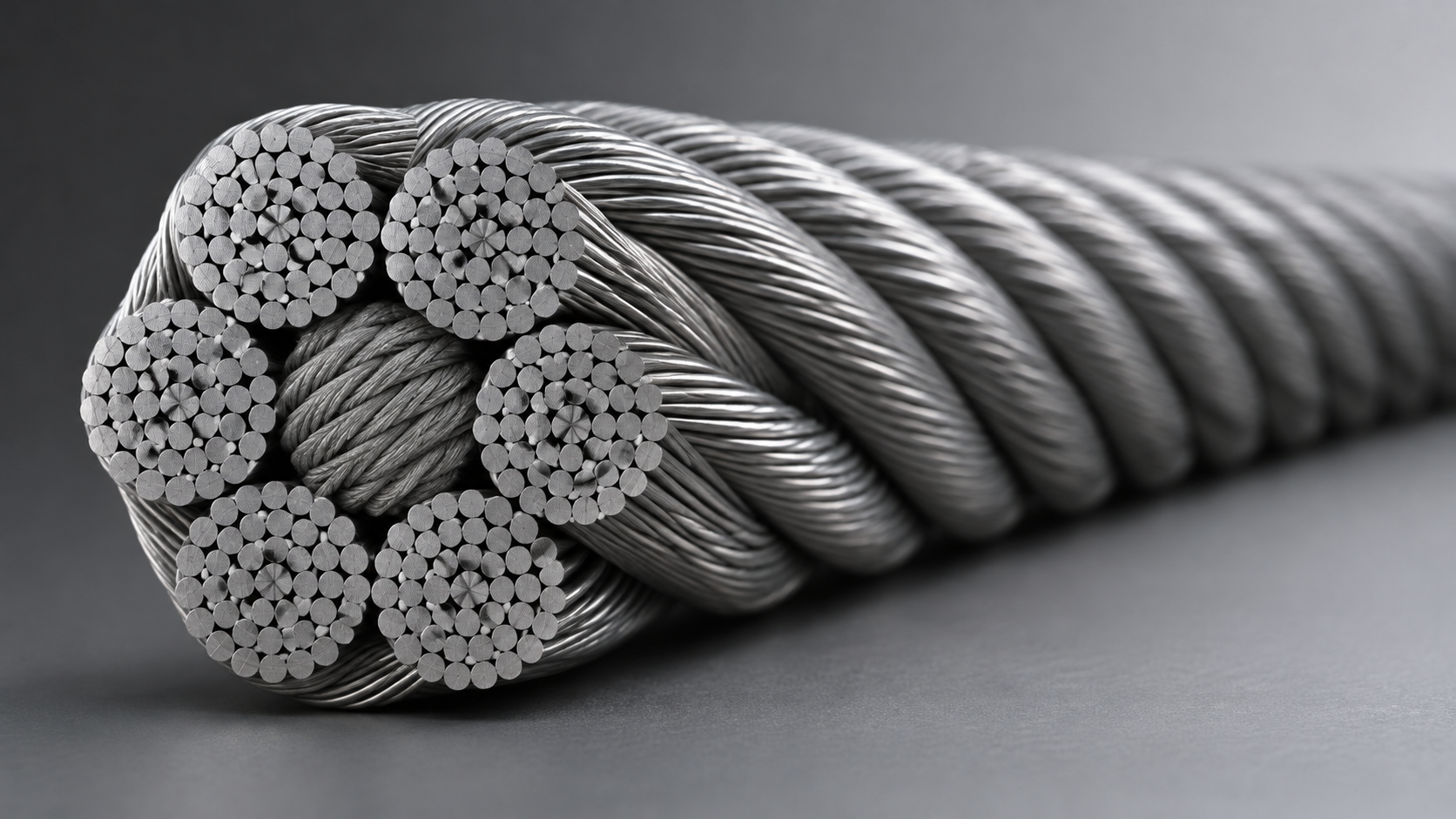
What does 6x36 construction tell you about a steel wire rope? It describes six outer strands, each containing approximately 36 wires, arranged around a core.
Understanding how a 6x36 steel wire strand fits into the rope can help you assess flexibility, wear resistance, and potential suitability for lifting or traction.
The designation is a useful starting point, but it does not identify the rope’s diameter, strength, core, finish, or approval for a particular application.
What does each part of 6x36 mean?
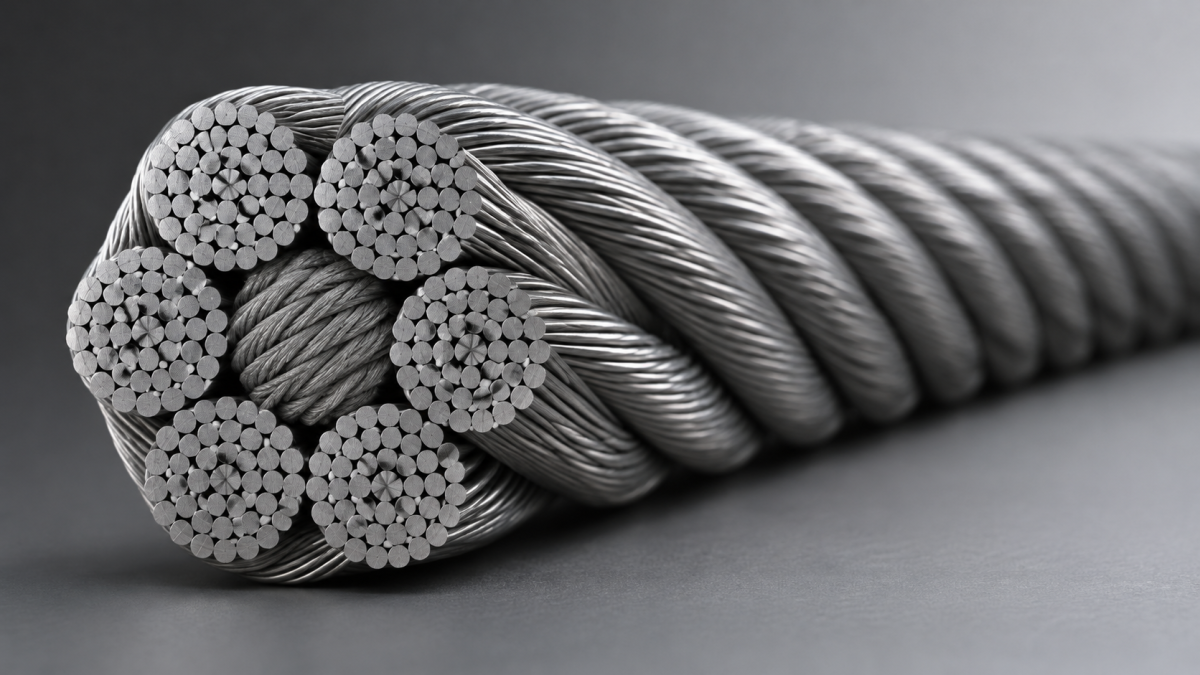
The first number, six, refers to the outer strands. Each strand consists of individual steel wires laid together, and the strands surround a central core.
The second number, 36, describes the nominal number of wires in each outer strand. A conventional 6x36 strand has 36 wires, excluding any filler wires.
In common usage, the term “6x36 steel wire strand” refers to a strand within a 6x36 rope, although the complete designation describes the entire rope.
A typical 6x36 Warrington Seale strand contains one center wire, seven inner wires, seven large and seven small intermediate wires, and 14 outer wires.
These add up to 36 wires per strand. Six such strands contain 216 outer-strand wires in total, before counting the wires in a steel core.
Supplier catalogs may also group related constructions into a broader 6x36 class. Check the exact strand pattern and applicable standard rather than assuming every listing is identical.
What does the construction mean for flexibility and wear?
A 6x36 rope has more wires per strand than a comparable 6x19 rope. At the same rope diameter, its individual wires are generally smaller.
Smaller wires can improve bending fatigue performance when a rope repeatedly passes over suitable sheaves or drums. This makes 6x36 construction worth considering for moving-rope applications.
The tradeoff is that smaller outer wires can wear through more quickly when exposed to abrasive surfaces. A 6x19 construction may be preferable where external abrasion dominates.
Neither construction is automatically better. Actual performance also depends on wire arrangement, core, material grade, lubrication, bending cycles, and the condition of the equipment.
Sheave and drum diameters matter as well: excessive bending can shorten rope life even when a flexible construction is selected. Follow equipment and rope manufacturer requirements.
Which core should a 6x36 rope have?
A fiber core supports the outer strands and can contribute to flexibility. However, it generally offers less resistance to crushing and heat than a steel core.
An independent wire rope core, commonly abbreviated IWRC, is itself a wire rope. It provides firmer support and is often selected where higher strength or crushing resistance is needed.
Core choice affects the rope’s properties, but the designation alone does not establish its capacity. Compare published minimum breaking forces for the exact diameter and specification.
For example, a drum with multiple rope layers may expose lower layers to crushing. Discuss the winding arrangement with the supplier before choosing between core options.
How strong is 6x36 steel wire rope?
There is no single breaking strength for all 6x36 ropes. Diameter, wire grade, core, construction, finish, and manufacturing standard all influence the specified minimum breaking force.
Two ropes marked 6x36 can therefore have different capacities. Ask for the manufacturer’s data sheet and verify that its figures match the rope being supplied.
Breaking force is not the same as working load limit. A permitted working load depends on the application, required design factor, termination efficiency, and applicable regulations.
For a sling, the number of legs, sling angle, hitch configuration, and fittings also affect the rated capacity. Use the complete sling’s identification and load rating.
Where is 6x36 rope used?
Depending on its exact specification, 6x36 rope may be considered for cranes, winches, hoists, and other systems where the rope bends repeatedly during operation.
It may also serve traction or general lifting applications when the equipment manufacturer permits it. Construction alone does not establish suitability for passenger elevators or personnel lifting.
For an outdoor winch, galvanized rope may help reduce corrosion. Confirm the required coating, lubrication, and inspection regime for the environment and duty cycle.
For marine or chemical exposure, compare corrosion conditions with the material and finish options. Stainless steel is not immune to corrosion under every operating condition.
Some projects also require separate chain for securing or connecting components. One related option is Welded Steel Electric Galvanized Ordinary Short Medium Long Link Chain .
Chain link length and diameter must match the intended connection. Do not use ordinary chain for overhead lifting unless its grade, certification, and working load limit explicitly permit it.
What should you check before ordering?
Start with the equipment manufacturer’s specification. Record the required rope diameter, construction or class, core, lay direction, grade, finish, and minimum breaking force.
Confirm the required length, end terminations, and compatibility with sheaves, drums, and fittings. Ask whether the rope must comply with a particular standard or inspection requirement.
Also describe the operating conditions: load cycles, bending frequency, abrasion, moisture, temperature, and exposure to chemicals. These details help the supplier recommend an appropriate specification.
Shandong Faster Technology offers galvanized, stainless steel, and plastic-coated wire ropes in stated diameters from 1 to 20 mm, alongside customized slings and chain products.
Confirm availability of the exact 6x36 construction, core, diameter, and documentation before ordering. A broad product range does not establish that every combination is available.
How should 6x36 rope be inspected?
Inspect rope at intervals required by the equipment manufacturer and applicable rules. Look for broken wires, corrosion, kinks, crushing, diameter reduction, and damaged terminations.
Pay particular attention to sections passing over sheaves, winding onto drums, or exposed to moisture. Internal deterioration can be difficult to detect from the surface alone.
Apply the relevant discard criteria for the equipment and rope; do not rely on a universal broken-wire count. Remove suspect rope from service for competent assessment.
Proper lubrication, compatible sheaves, and controlled winding can reduce deterioration, but maintenance cannot restore a rope that has reached its discard condition.
Summary: Is 6x36 the right construction?
A 6x36 rope has six outer strands with approximately 36 wires each. Its relatively fine wires make it a useful candidate where repeated bending is important.
Balance that benefit against abrasion and crushing risks, then verify the core, strength, diameter, and equipment requirements. Choose the complete specification, not the construction label alone.
Navigation
Send Us A Message



Shandong Faster Technology Co., Ltd. is a professional manufacturer of steel wire ropes.
Get in Touch
*We respect your confidentiality and all information are protected.