





How Angle Loading Reduces Capacity in a 4 Leg Wire Rope Sling Carbon Steel
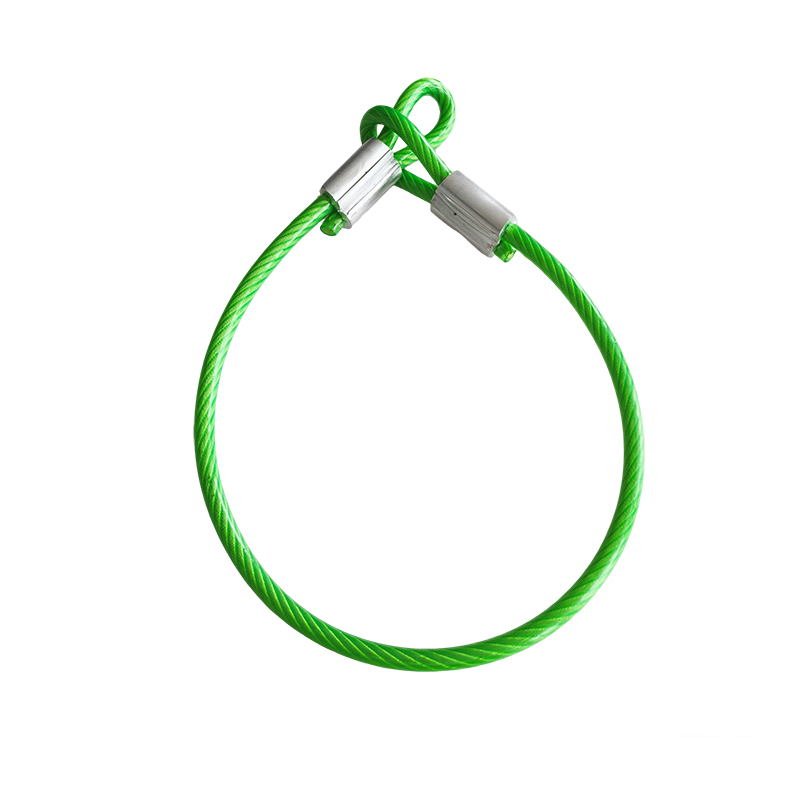
When lifting with a 4 Leg Wire Rope Sling Carbon Steel, many operators assume four legs always mean full rated strength. In reality, angle loading can sharply reduce lifting capacity and increase the risk of sling overload, instability, and uneven force distribution. Understanding how sling angles affect performance is essential for safer handling, better load control, and more reliable lifting operations across demanding industrial environments.
Why Angle Loading Matters More Than Most Operators Expect
The core search intent behind 4 Leg Wire Rope Sling Carbon Steel is practical, not theoretical. Operators want to know how sling angle changes capacity, when a four-leg sling becomes unsafe, and how to avoid overloading during real lifts.
The short answer is simple: as the sling angle becomes flatter, the tension in each leg rises. Even if the load weight stays the same, a poor angle can overload the sling legs faster than many users expect.
This matters because a four-leg sling does not automatically mean all four legs share the load equally. In many lifting situations, only two or three legs may carry most of the force.
That difference between rated configuration and real field conditions is where mistakes happen. Capacity charts may look generous, but angle reduction, unequal loading, and shifting centers of gravity can quickly remove the expected safety margin.
How Sling Angle Reduces Capacity in a 4 Leg Wire Rope Sling Carbon Steel
In a balanced vertical lift, sling legs carry force mainly upward. As the angle between the leg and the horizontal becomes smaller, more of the force is pulled sideways, and each leg must handle greater tension.
That is why lifting capacity drops as sling legs spread outward. A wider sling angle does not make the setup stronger. It usually makes the lift less efficient and more demanding on each wire rope leg.
For operators, the most useful rule is this: the lower the angle, the higher the tension. When the sling angle approaches a flat configuration, leg loading rises sharply and can exceed the working load limit.
Many rigging references recommend keeping sling angles above 45 degrees whenever possible. Below that point, tension increases quickly, and load control often becomes less stable during hoisting, positioning, or landing.
Why Four Legs Do Not Always Mean Four Equal Load Paths
One of the most common misunderstandings is assuming a 4 Leg Wire Rope Sling Carbon Steel always uses all four legs equally. In actual operations, that is rarely guaranteed unless the load is perfectly shaped and evenly rigged.
Manufacturers and rigging standards often rate multi-leg slings based on the assumption that not every leg shares the load equally. In practice, two legs may carry most of the weight because of length variation or attachment geometry.
Uneven center of gravity is another major factor. If the load is not balanced, one side of the sling system takes more force, increasing the chance of localized overload and unstable lifting behavior.
Even a small difference in hook-up points, leg length, or load shape can change force distribution. That is why experienced operators inspect the rigging geometry instead of relying only on leg count.
What Operators Should Check Before the Lift Starts
Before using a 4 Leg Wire Rope Sling Carbon Steel, operators should confirm load weight, center of gravity, pick-point spacing, and the expected sling angle during the actual lift path, not only at initial hookup.
It is also important to check whether all legs can engage naturally without twisting, crossing, or forcing one leg shorter than another. Forced fitment often creates unequal tension before the load even leaves the ground.
Attachment hardware must match the sling rating and the lifting method. Shackles, master links, hooks, and connection points should all be compatible with the expected angle and dynamic loading conditions.
A pre-lift test raise is often useful. Lifting the load slightly off the ground lets operators observe tilt, leg tension, and seating behavior before committing to full hoisting movement.
How to Recognize Risky Angle Conditions During Operation
Some warning signs appear before a failure occurs. If one sling leg looks tighter than the others, if the load tilts unexpectedly, or if hooks shift under tension, the load distribution may already be uneven.
Another warning sign is excessive leg spread. When sling legs appear close to horizontal, operators should assume capacity reduction is severe unless calculations and charts clearly confirm the setup is acceptable.
Shock loading also makes angle problems worse. A sudden pick, crane movement, snag, or swinging load can push leg tension beyond normal static values and overload a sling that already has little angle margin.
Environmental conditions matter too. Port handling, mining, marine work, and construction lifting often involve wind, vibration, limited visibility, and awkward load shapes that magnify the effects of poor sling angles.
Practical Ways to Improve Capacity and Control
The best correction is often geometric rather than material. If the sling angle is too low, increasing headroom, changing pick-point spacing, or using a different rigging arrangement can reduce leg tension significantly.
Using a spreader beam is a common solution when loads are wide. It helps maintain a more favorable sling angle and reduces the inward or outward forces that otherwise increase tension in the sling legs.
Operators should also choose the correct sling length rather than improvising around available stock. A sling that is too short can force a bad angle even when the load itself is within normal lifting limits.
Where repetitive lifting is involved, documenting approved rigging methods saves time and reduces error. Standardizing lift plans for recurring loads helps crews avoid angle-related mistakes under production pressure.
Material and Construction Still Matter After Angle Is Corrected
Angle is critical, but product quality remains important. A properly selected 4 Leg Wire Rope Sling Carbon Steel should offer reliable strength, stable construction, and predictable performance across repeated industrial lifting cycles.
Wire rope quality depends on raw material control, rope construction, processing consistency, and inspection discipline. These factors influence fatigue resistance, wear behavior, flexibility, and long-term lifting reliability in demanding environments.
For related applications where bending performance and wear resistance are important, products such as Elevator steel wire rope 8x19S wear-resistant 6-22mm machine rope show how rope structure selection affects durability and load behavior in equipment systems.
In sectors such as ports, construction, elevators, and heavy machinery, matching rope structure to use conditions is part of safe performance. Material choice alone cannot compensate for poor rigging geometry, but it still affects service life.
How Experienced Buyers and Operators Make Better Decisions
Skilled users do not judge a sling only by nominal diameter or leg count. They ask how the sling will be used, what angle range it will see, how often it will cycle, and what environmental hazards are present.
That is especially important in multi-industry operations. A rigging setup suitable for controlled workshop lifting may not perform the same way in marine handling, mining work, tower crane service, or ship loading conditions.
Suppliers with integrated rope, sling, and chain manufacturing capability can usually provide better support for these decisions. They can align product selection with load path, connection method, operating frequency, and inspection needs.
For users running multiple lifting scenarios, this reduces guesswork. It also helps avoid the costly habit of choosing a stronger-looking sling without solving the real cause of capacity loss, which is often angle-related.
Conclusion
A 4 Leg Wire Rope Sling Carbon Steel does not keep full capacity under every lifting angle. As the sling angle decreases, leg tension rises, usable capacity drops, and the risk of overload or instability increases.
For operators, the key takeaway is clear: do not judge lifting safety by leg count alone. Check the angle, assume load sharing may be uneven, and correct the rigging geometry before relying on the rated sling strength.
When angle control, proper hardware, accurate load assessment, and dependable rope quality come together, lifting becomes safer and more predictable. That is the foundation for reliable industrial handling across construction, ports, ships, mining, and equipment systems.
Navigation
Send Us A Message



Shandong Faster Technology Co., Ltd. is a professional manufacturer of steel wire ropes.
Get in Touch
*We respect your confidentiality and all information are protected.