





When galvanized wire cable needs extra corrosion protection
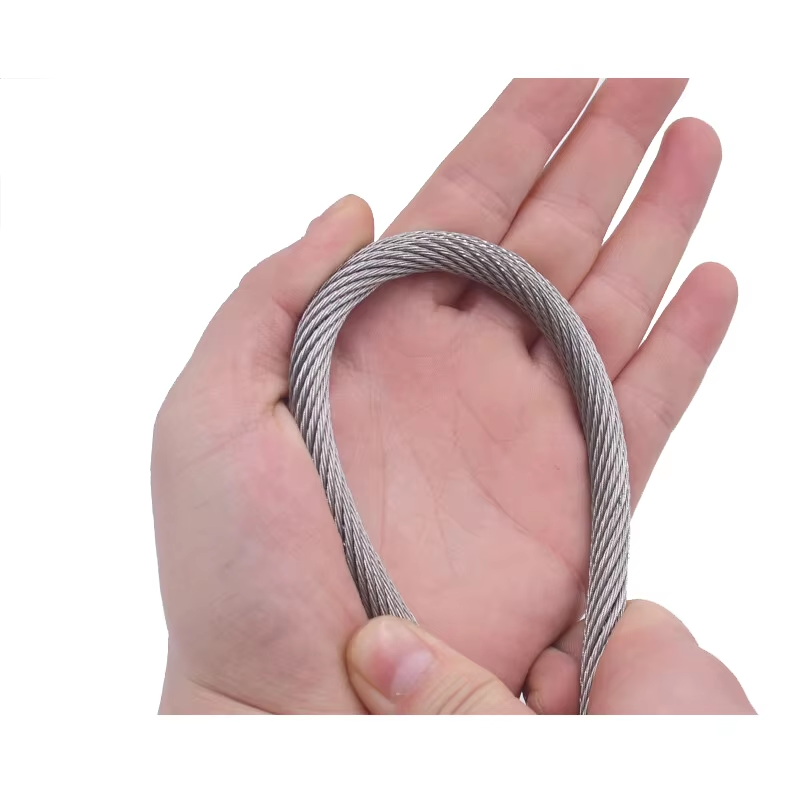
Extra corrosion protection is warranted when the zinc layer on galvanized wire cable will be exposed to conditions that keep it wet, chemically active, mechanically damaged, or unable to dry. Galvanizing slows steel corrosion by placing zinc between the base metal and the environment. It is effective for ordinary outdoor fixation, dry industrial areas, and intermittent weather exposure. Its limits appear when moisture and contaminants remain trapped at the rope surface or penetrate between wires and strands.
The decision should be based on the full exposure cycle rather than the location name alone. A cable installed outdoors under a roof may last well if it drains and dries after rain. A cable inside a seemingly protected building may corrode faster when washdown water, condensation, fertilizer dust, chloride residue, or acidic vapors are present. The most important question is whether the cable repeatedly returns to a clean, dry condition.
Conditions that move galvanized cable beyond its normal protection range
Salt-bearing moisture is one of the clearest reasons to add protection or change material. Coastal air, marine spray, port handling areas, de-icing salts, and salt-contaminated road runoff leave chlorides on the zinc surface. Even when the cable looks dry, deposited salts can attract moisture from humid air. Corrosion often begins in crevices between strands, beneath clamps, and at low points where water collects. Rinsing without proper drying can leave the same problem in place.
Continuous humidity deserves separate attention from direct immersion. A cable near cooling systems, wash bays, underground structures, enclosed shafts, or process equipment may experience condensation every day. A thin film of water is enough to sustain corrosion when it persists in the rope's interstices. The external surface can appear acceptable while the core has begun to discolor or seize. Frequent bending then distributes corrosion products and abrasive particles through the strand contact points.
Chemical exposure changes the selection quickly. Acidic cleaning residues, alkaline process solutions, fertilizers, cement slurry, animal waste, sulfur-containing emissions, and certain industrial fumes can consume zinc faster than ordinary atmospheric exposure. The source need not contact the rope as a liquid. Airborne deposits become active whenever humidity rises. If the chemical is unknown, the evaluation should identify its concentration, temperature, splash pattern, cleaning method, and whether deposits remain after shutdown.
Galvanized wire cable also needs more protection where abrasion removes the coating faster than it can protect the steel. Common locations include sheaves with poor alignment, cable guides, sharp edges, repeatedly tightened clamps, contact with rough structural steel, and dragging applications. Bright steel at a wear point is not only a cosmetic defect. Once zinc is removed, local rust can form and accelerate surface damage, wire fretting, and loss of smooth travel.
Inspect the cable as a system, not as a bright surface
Uniform dulling of zinc is different from active deterioration. Zinc naturally weathers, and a matte gray appearance alone does not establish that replacement or an upgraded material is required. More meaningful warning signs include red-brown corrosion at strand valleys, swelling around wire contacts, flaking deposits, rough or stiff sections, rust bleed from beneath sleeves, and water retained inside a plastic cover or end fitting.
Termination areas require close examination because they combine stress, crevices, and coating disturbance. U-bolt clips, pressed sleeves, thimbles, eye loops, wedge sockets, and swaged ends can trap water or damage the zinc during assembly. A cable that is sound along its free length may be compromised at a termination. Removing a protective cover only to inspect the visible edge is insufficient when water has entered farther beneath it.
Do not mistake white zinc corrosion products for harmless evidence that the coating is still fully protective. White deposits can occur during damp storage or transport when closely packed coils cannot dry. The immediate concern is whether the deposit is superficial or whether it has consumed enough zinc to expose steel. The cable should be cleaned using a compatible method, dried, and re-examined for pitting, bare areas, or red rust. Aggressive wire brushing can remove remaining zinc and make the condition worse.
Exposure details that should be recorded before specifying protection
- Whether the cable is stationary, slowly adjusted, or continuously flexed over sheaves. Movement affects both lubricant retention and coating wear.
- The wetting source: rain, splash, immersion, condensation, washdown, soil contact, or trapped water inside a conduit or cover.
- Contact materials at clamps, pulleys, fittings, and supports. Dissimilar-metal contact, abrasive surfaces, and water-holding pads can create localized attack.
- Access for cleaning and inspection. A protected but inaccessible cable should not rely on frequent maintenance to offset a severe exposure.
Choose the added protection to match the failure mechanism
A heavier zinc coating may be appropriate where the main issue is ordinary atmospheric exposure with occasional wetting. It adds sacrificial material, but it does not solve persistent chloride deposits, chemical attack, or severe rubbing. The coating thickness should therefore be considered alongside expected abrasion and the cable's bending duty, rather than treated as a universal corrosion rating.
Lubrication is useful when the rope remains mechanically serviceable and the selected lubricant can reach the outer strands and internal contact zones. It reduces water entry, displaces moisture, and limits friction between wires. A surface-only application is less effective on a cable that has already become packed with corrosion products. Lubricants also need compatibility review where the cable runs through lined sheaves, contacts product surfaces, or operates in dusty areas that can turn excess lubricant into an abrasive paste.
Plastic-coated cable offers a barrier against wet and mildly contaminated surroundings, especially for fixed outdoor runs, guards, fences, and non-critical securing duties. Its limitation is concealed corrosion. A cut edge, cracked jacket, poorly sealed termination, or puncture can admit water that remains hidden under the coating. Coated cable should be specified with attention to end sealing, bend radius, inspection access, and the risk of abrasion at guides. A plastic jacket is not a substitute for a suitable base material in marine splash or chemically aggressive service.
Where chlorides, sustained humidity, acidity, alkalinity, or marine exposure are expected, stainless steel is often the more defensible material change. Grade selection still matters: stainless steel is not a single corrosion category, and its performance is influenced by chloride level, crevice conditions, temperature, and cleaning practice. For compact outdoor fixation, marine traction, yacht control cables, and small lifting arrangements where corrosion resistance and moderate flexibility are needed, a 7x7 construction such as 7x7 Stainless Steel Wire Rope 0.5-6mm use For clothesline and fence provides a relevant alternative in 201, 304, 316, or 316L material options. The grade must be matched to exposure rather than selected solely from the cable's appearance or nominal diameter.
Installation can defeat a good corrosion specification
Drainage should be designed into the route. Avoid low loops, horizontal sleeves open at one end, tightly wrapped tape joints, and contact points that hold wet debris against the cable. Where a cable passes through a cover or conduit, both ends need a way to prevent water entry or allow water to escape. A cable routed through a wet enclosure without drainage receives a more severe exposure than an openly installed cable that dries in moving air.
Cut ends need prompt attention. Freshly cut galvanized wires expose steel at the ends, while frayed ends create many small moisture traps. Correct termination methods limit strand opening and reduce water paths. Field modifications should also avoid heating, grinding, or welding close to the cable unless the resulting damage and service implications have been assessed.
Storage conditions matter before installation. Reels placed directly on damp ground, wrapped while wet, or moved from cold storage into humid air can develop corrosion before entering service. Store cable under cover with airflow, keep it off the floor, and avoid sealing wet material in impermeable packaging. Inspection at receipt should include reel condition, packaging damage, visible moisture, and the condition of the first accessible cable layers.
Set an inspection response before corrosion becomes a strength question
Inspection intervals should tighten when exposure is cyclically wet, salt-contaminated, chemically active, or hidden behind a cover. The inspection should distinguish surface staining from strand damage and should include bends, terminations, sheave contact zones, low points, and places where the cable touches another component. Stiffness, broken wires, diameter change, distorted strands, or corrosion emerging from the core require evaluation beyond cleaning or re-lubrication.
Extra protection is justified when the environment will consume zinc faster than the cable can be kept clean and dry, or when mechanical contact will strip the coating at loaded points. Recording those conditions at specification stage prevents a common error: selecting galvanized cable for its initial appearance, then attempting to correct an unsuitable exposure only after corrosion is already hidden inside the rope.
Navigation
Send Us A Message



Shandong Faster Technology Co., Ltd. is a professional manufacturer of steel wire ropes.
Get in Touch
*We respect your confidentiality and all information are protected.