





What Drives Wire Rope Cost in Industrial Applications
Wire rope cost in industrial applications is shaped by far more than the price listed on a quote. For finance approvers, the real question is not simply “How much does this rope cost?” but “What will this choice cost us over its full service life?” Material grade, construction type, diameter, safety requirements, corrosion protection, maintenance demands, and supplier reliability all influence total spend. A lower upfront price can still lead to higher replacement frequency, more downtime, compliance exposure, and increased operational risk.
In practice, the best purchasing decisions come from connecting technical specifications to financial outcomes. If a wire rope is oversized, the company may pay more than needed. If it is underspecified, failures, early wear, or service interruptions can erase any apparent savings. For financial decision-makers, understanding the main cost drivers behind wire rope procurement creates a stronger basis for budgeting, vendor comparison, and long-term asset planning.
Why wire rope cost should be evaluated as a lifecycle decision
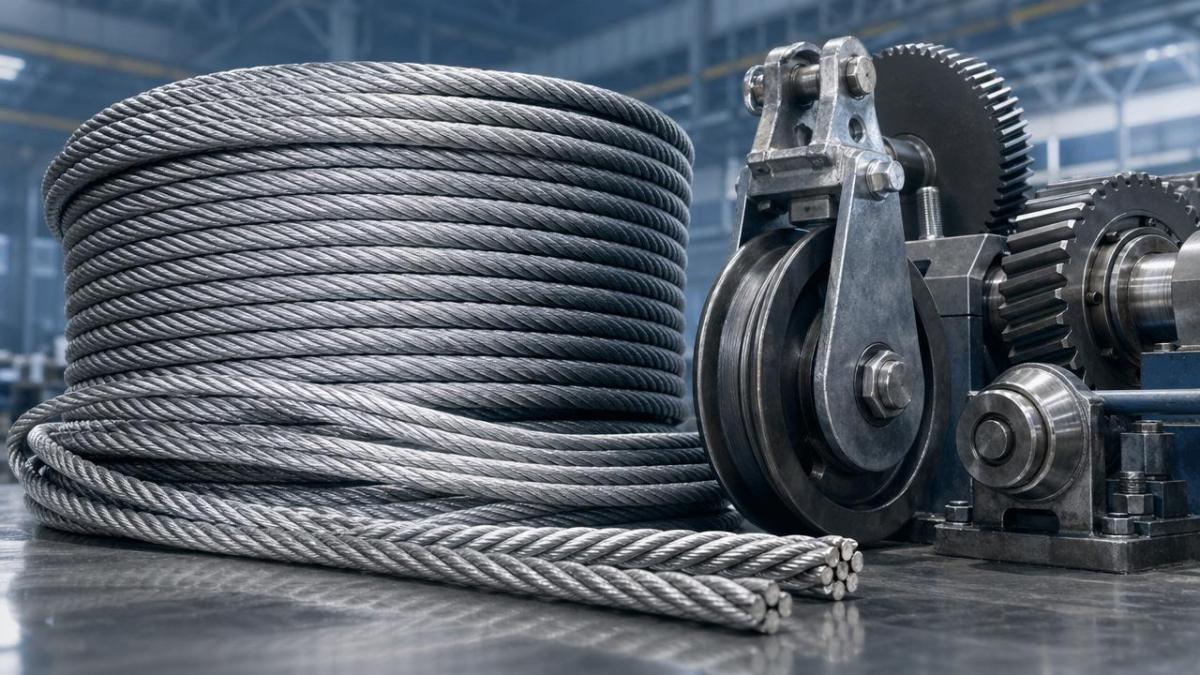
When buyers compare wire rope offers, unit price is usually the most visible number. However, industrial purchasing rarely succeeds when decisions are based on price alone. Wire rope often operates in lifting, rigging, hoisting, mining, marine, construction, material handling, and other demanding environments where failure costs are much higher than product cost. In those settings, the total economic impact includes installation time, inspection frequency, lubrication needs, replacement intervals, and the operational consequences of unplanned downtime.
For a finance approver, this means wire rope should be treated as a lifecycle asset rather than a commodity purchase. A rope that costs 15% more but lasts 40% longer may reduce annual replacement expense, labor hours, and equipment stoppages. It may also lower the chance of load incidents that trigger repair costs, insurance concerns, or production loss. The financial value is not only in durability, but also in stability and predictability.
Lifecycle thinking also improves internal alignment. Operations teams focus on reliability, maintenance teams focus on inspection and handling, and finance teams focus on cost control. Wire rope selection sits at the intersection of all three. When procurement evaluates the cost drivers clearly, it becomes easier to justify why a certain specification is necessary, where savings are realistic, and where cutting cost introduces disproportionate risk.
What are the biggest factors that drive wire rope cost?
The first major cost driver is raw material quality. Steel grade has a direct effect on strength, fatigue resistance, and wear performance. Higher-grade steel generally increases the purchase price, but it can also improve performance in repetitive bending or heavy-load applications. In environments where rope experiences high stress cycles, the added material cost may be financially justified because the rope remains in service longer and reduces the chance of premature replacement.
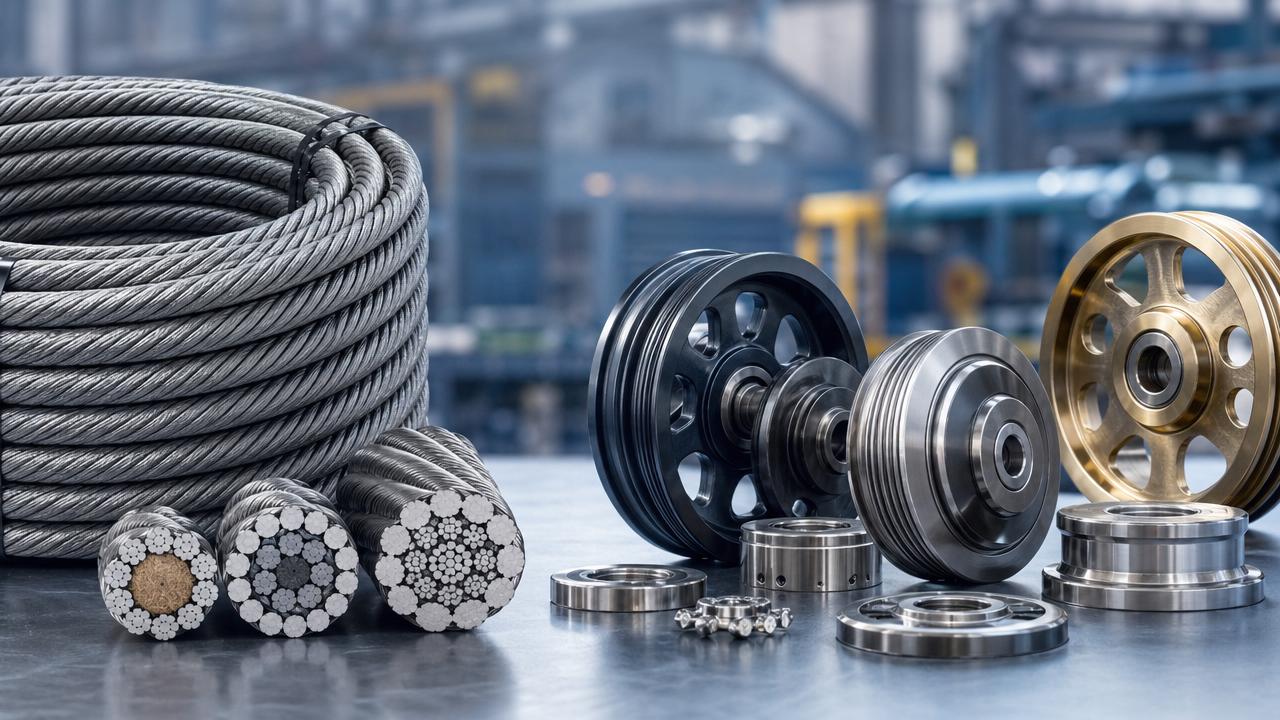
The second driver is rope construction. Wire rope is available in different strand counts, core types, and configurations. More complex constructions may offer better flexibility, crush resistance, or fatigue performance, but they are usually more expensive to manufacture. Independent wire rope cores, for example, often cost more than fiber cores, yet may deliver better support under heavy loads and harsh conditions. Finance teams should understand that construction differences are not cosmetic; they influence actual operating value.
Diameter and breaking strength also matter. Larger-diameter wire rope contains more material and therefore carries a higher base cost. But the relationship is not always linear from a budgeting standpoint. Selecting a rope that exceeds the actual load requirement by too wide a margin can create unnecessary overspending. On the other hand, choosing a rope too close to the minimum requirement can increase wear, inspection pressure, and replacement frequency. The right specification balances safety margin with economic efficiency.
How application requirements affect budget and pricing
Industrial applications vary widely, and that variation is one of the strongest reasons wire rope cost differs from one project to another. A rope used in a controlled indoor lifting system faces very different conditions than one used offshore, in mining, or on a construction site exposed to moisture, abrasion, and shock loading. The more severe the operating environment, the more likely the rope will require upgraded materials, coatings, lubrication, or specialized construction.
Load profile is especially important. Static loads, dynamic loads, bending over sheaves, start-stop cycles, and shock events all influence the rope’s service demands. Applications with frequent bending or repeated lifting cycles often require higher fatigue resistance, which can increase upfront cost. Yet from a financial perspective, this added expense often protects productivity by extending replacement intervals and reducing emergency maintenance events.
Speed of operation and criticality of equipment also shape pricing decisions. In systems where equipment uptime is central to production, the cost of rope failure can be far greater than the cost of rope itself. For financial stakeholders, this means procurement should classify applications by business impact. A non-critical utility line may justify stricter price sensitivity, while a rope tied to revenue-critical lifting or transport equipment should be evaluated through risk-adjusted total value.
How coatings, lubrication, and corrosion resistance change the economics
Protective features are another major contributor to wire rope cost. Galvanized wire rope, plastic-impregnated designs, and specialized lubricated ropes typically cost more than basic untreated options. The reason is straightforward: these treatments add manufacturing complexity and are intended to defend against corrosion, moisture ingress, internal friction, and surface wear. In harsh environments, these features can have a measurable effect on useful life.
For finance teams, the key question is whether the environment justifies the premium. In marine, chemical, outdoor, or washdown settings, corrosion resistance is not a luxury. It can be the difference between planned replacement and early failure. Even in less aggressive environments, proper lubrication can reduce internal wear and improve inspection outcomes. A rope with better retained lubrication may reduce maintenance labor and improve operating consistency.
The economic takeaway is that protective features should be measured against exposure conditions, not judged only as add-on costs. If the rope operates in a low-corrosion indoor environment, a premium coating may not create enough value. But in applications where moisture and contamination are constant, paying more for protection often lowers annualized ownership cost. The most cost-effective wire rope is not always the cheapest specification, but the one most closely matched to the environment.
Why safety standards and compliance requirements raise cost but lower financial risk
Compliance is a cost factor that finance leaders should never treat as optional. Wire rope used in lifting and safety-sensitive applications often must meet industry standards, testing requirements, and documentation expectations. Certified manufacturing processes, traceability, testing records, and conformance to recognized standards can all increase the quoted price. However, these elements reduce legal, operational, and reputational risk.
In regulated environments, non-compliant or poorly documented products may appear less expensive during procurement but introduce hidden liabilities later. If a failure occurs and the product lacks proper certification or traceability, the downstream consequences may include incident investigations, equipment shutdowns, insurance disputes, and replacement under emergency conditions. From a financial governance perspective, this is a classic example of low purchase price creating high contingent cost.
Approvers should therefore ask not only what the rope costs, but what assurance accompanies the cost. Is the supplier able to provide mill certificates, testing data, and application guidance? Are specifications aligned with the equipment manufacturer’s recommendations and local regulations? A compliant wire rope purchase supports both operational safety and financial control because it reduces exposure to avoidable disruption and dispute.
How supplier quality and service influence total wire rope cost
Supplier choice is one of the most underestimated cost drivers in industrial purchasing. Two suppliers may quote a similar wire rope specification at different prices, yet the difference may reflect more than margin. It may include product consistency, inventory availability, packaging quality, logistics reliability, technical support, and after-sales responsiveness. For finance teams, these factors matter because delays and mismatches can create costly operational interruptions.
A reliable supplier can help reduce indirect expense by improving order accuracy, recommending appropriate specifications, and maintaining stable lead times. This is particularly valuable when rope is used in critical systems or remote operations where replacement timing matters. Faster access to correct product can reduce idle equipment time and emergency freight charges, both of which can easily outweigh modest differences in quoted unit price.
Vendor performance also affects the quality of decision-making. Suppliers with real application knowledge can help prevent over-specification and under-specification alike. That guidance has direct financial value. It helps buyers avoid paying for unnecessary premium features while also preventing the false economy of choosing a rope that fails early in service. In practical terms, supplier capability should be assessed as part of total procurement value, not treated as a secondary issue.
How to compare wire rope quotes without missing hidden costs
One of the most useful steps for a finance approver is to standardize quote comparison. When multiple wire rope suppliers are invited to bid, quotations should be reviewed against the same technical and commercial criteria. These include material grade, construction, core type, diameter, coating, lubrication, certification, expected lead time, warranty, and documentation. Without this normalization, a lower quote may simply reflect a lower-performing specification.
It is also important to ask for expected service life under the intended application. While no supplier can guarantee exact lifespan in every environment, experienced vendors can usually provide comparative guidance based on use conditions. This supports a more meaningful cost-per-service-period analysis. For example, a rope priced 20% higher may still be cheaper on a monthly operating basis if it remains in service significantly longer.
Buyers should also capture the hidden cost elements around replacement. How much labor is required to install the rope? Does replacement require shutdown windows, outside contractors, or rented lifting equipment? Is there any impact on production throughput during changeout? These costs are often ignored in the initial purchase discussion, yet they strongly influence the true economics of wire rope selection in industrial applications.
Questions finance decision-makers should ask before approving purchase
To make stronger approval decisions, finance stakeholders should ask a short set of commercially relevant questions. First, is this wire rope specification matched to actual operating conditions, or is it simply the lowest available option? Second, what is the expected service life relative to lower-priced alternatives? Third, what are the estimated costs of replacement labor, downtime, and emergency sourcing if the rope underperforms?
Fourth, does the supplier provide the documentation and compliance support required for the application? Fifth, what risks would the business face if traceability, testing, or product consistency were inadequate? These questions move the discussion from unit price to risk-adjusted value. They also help finance teams challenge vague recommendations and require a more evidence-based justification from procurement or operations.
A final question is whether the organization has historical performance data. If previous wire rope purchases experienced early wear, corrosion issues, or frequent replacements, those records should inform the next buying decision. Past maintenance outcomes often reveal whether a lower-cost strategy has genuinely saved money or simply shifted cost into operations. Good approval decisions rely on total evidence, not quote price alone.
When paying more for wire rope makes financial sense
Paying more for wire rope makes sense when the premium directly reduces a larger cost elsewhere. This often happens in high-cycle, high-load, corrosive, or safety-critical applications. In these cases, improved rope design or material can extend service life, reduce inspection failures, and support higher equipment availability. The financial benefit appears through fewer disruptions, more predictable maintenance scheduling, and lower total cost of ownership.
It also makes sense to pay more when replacement is difficult or expensive. If changing a rope requires production stoppage, contractor mobilization, or access equipment, each replacement event carries a meaningful cost beyond the rope itself. A longer-lasting product can therefore create disproportionately high savings, even if the initial purchase price looks less competitive on paper.
Finally, premium wire rope can be justified when procurement certainty matters. Stable quality, strong documentation, and dependable supply support smoother operations and reduce the likelihood of emergency purchases. For finance teams responsible for cost control and risk management, these benefits are tangible. They improve budget predictability and help avoid the financial volatility that often comes from narrowly optimized purchasing.
Conclusion: the smartest way to evaluate wire rope cost
Wire rope cost in industrial applications is driven by a combination of material quality, construction, application demands, protective features, compliance requirements, and supplier capability. For financial decision-makers, the most important insight is that quoted price alone does not represent the real cost of ownership. A cheaper rope may increase maintenance, replacement frequency, downtime, and risk, while a better-suited rope may lower annualized cost despite a higher purchase price.
The strongest buying decisions come from evaluating wire rope through a lifecycle lens. Compare specifications carefully, match the product to the actual operating environment, include the cost of replacement and disruption, and weigh supplier reliability alongside price. When these factors are considered together, wire rope procurement becomes less about chasing the lowest number and more about securing the best long-term value for the business.
In other words, smart approval is not about spending more or less by default. It is about spending accurately. For organizations that rely on lifting, handling, or mechanical support systems, that approach leads to better budgeting, lower total lifecycle cost, and more confident purchasing outcomes.
Navigation
Send Us A Message



Shandong Faster Technology Co., Ltd. is a professional manufacturer of steel wire ropes.
Get in Touch
*We respect your confidentiality and all information are protected.