





Industrial Galvanized Wire: Key Specifications for Manufacturing, Binding, and Support Use
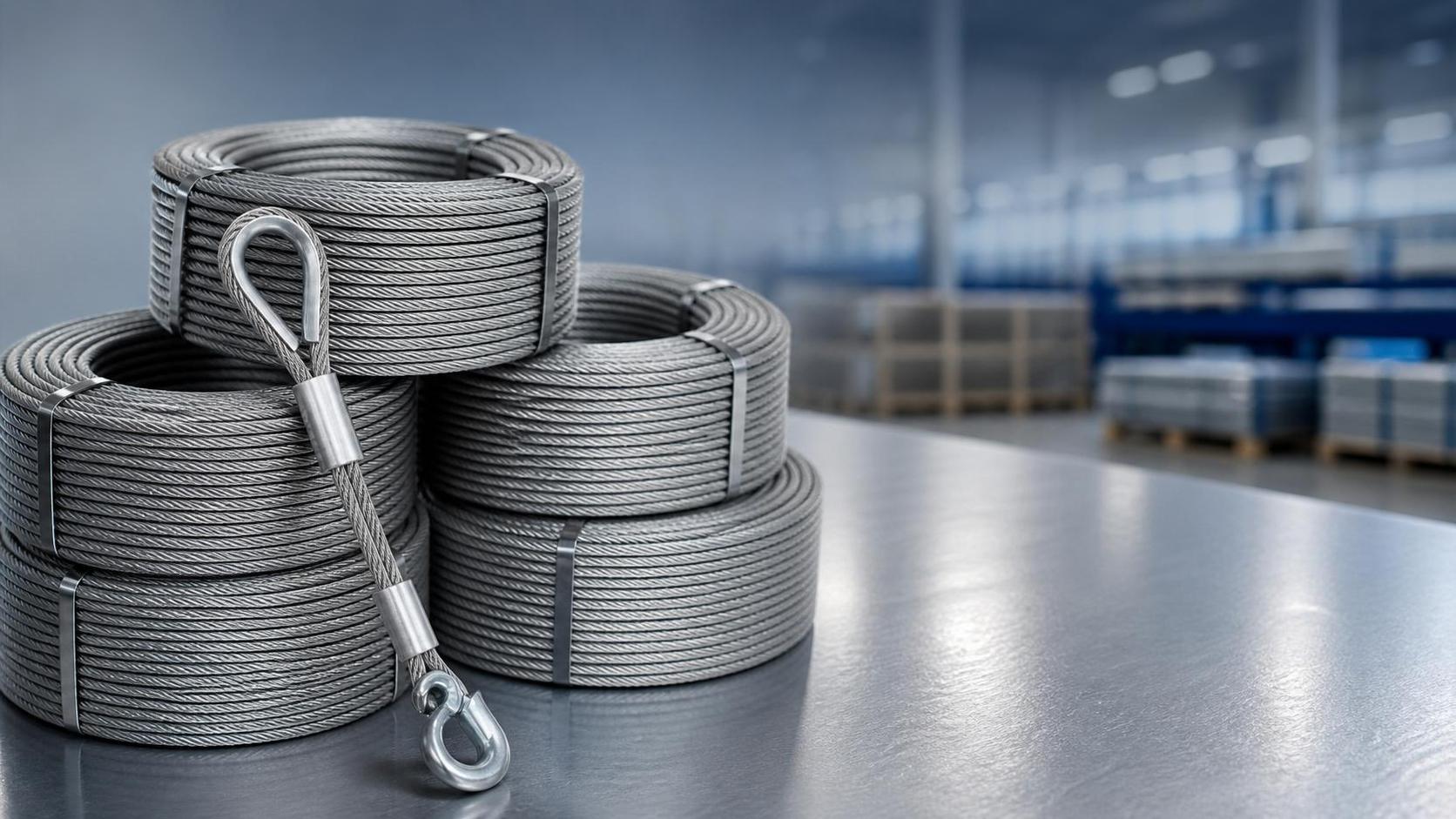
Why does industrial galvanized wire need closer specification review?
Industrial galvanized wire is often treated as a basic commodity, yet small specification gaps create large performance differences in production, binding, and support work.
In practical use, buyers are not only comparing price per ton or coil. They are comparing service life, handling safety, coating stability, and fit for the final application.
That matters because industrial galvanized wire may be used for tying bundles, reinforcing temporary supports, guiding components, or working in outdoor and humid environments.
A wire that looks acceptable on arrival can still fail in use if the diameter tolerance is loose, the zinc layer is thin, or the tensile range does not match the loading condition.
So the better question is not simply, “Is this galvanized wire available?” It is, “Which specification protects performance and inventory value in the intended market?”
Which specifications matter most when comparing industrial galvanized wire?
Most comparisons start with diameter, but that is only one part of the picture. A workable review usually combines mechanical, surface, and supply factors.
The table below is a useful shortcut when evaluating industrial galvanized wire for mixed industrial demand.
In many cases, zinc coating and tensile strength decide whether industrial galvanized wire performs smoothly or generates claims after delivery.
How do diameter and tensile strength change the real application fit?
Diameter influences far more than appearance. Thin wire supports easier forming and manual binding, while larger diameters bring higher load capacity and stronger structural stability.
Tensile strength changes how the wire behaves under pull, twist, and repeated use. A very high-strength grade may improve load resistance but reduce flexibility in some binding work.
A more reliable selection method is to match the wire to the task:
- For routine bundling, flexibility and manageable handling often matter more than maximum strength.
- For support or tension-bearing use, load rating and diameter stability deserve closer review.
- For lifting-related assemblies, construction type and end fittings also become part of the decision.
That is why some projects move from plain industrial galvanized wire to assembled wire rope products. For example, 8mm galvanized steel wire rope Sling soft eye 3tons Eye to Eye for Rigging & Hoisting fits situations where connection style, portability, and lifting compatibility matter alongside corrosion resistance.
Its common structures, including 6x19, 6x37, 7x19, and 19x7, show how application demands can quickly move beyond basic wire diameter alone.
Is zinc coating always enough to judge corrosion resistance?
Not really. Zinc coating is essential, but corrosion performance depends on both coating quality and service environment.
Indoor dry storage, covered workshops, ports, fisheries, construction sites, and mining conditions place very different demands on industrial galvanized wire.
The more common mistake is to assume all galvanized finishes behave the same. In reality, surface uniformity, coating weight, and adhesion affect how long the wire resists rust after bending or abrasion.
Where salt exposure, moisture, or outdoor storage is expected, it helps to compare galvanized, bright, stainless steel, and plastic coated options within the same product family.
For rope sling use, a galvanized finish may balance corrosion resistance and cost well, especially when paired with steel core or fiber core options and recognized certifications such as SGS, CE, or Rohs ISO.
What buying mistakes usually create complaints or slow inventory turnover?
Most problems come from matching the wrong specification to the intended use, not from a visible defect at delivery.
These issues appear often:
- Choosing by price only, then discovering the wire is too stiff for frequent bundling.
- Using a general galvanized grade in high-humidity or ocean-facing environments without checking coating performance.
- Ignoring diameter tolerance, which causes fitting problems with guides, hooks, or clamps.
- Mixing application categories, especially when lifting hardware is needed rather than basic industrial galvanized wire.
- Overlooking lead time and stock planning, even when annual output looks strong.
Need-to-confirm details usually include diameter range, strength range, length customization, and delivery timing. A supply window of 5 to 10 days may be workable, but only if it matches local turnover needs.
Where projects involve small lifting equipment, doors, windows, or compact mechanical components, assembled slings can sometimes move faster than general stock because the use case is clearer.
How should you compare industrial galvanized wire with wire rope sling options?
This is where many searches become more practical. The question is less about which product is better, and more about which product solves the job with fewer compromises.
A product with 1-20mm diameter coverage and tensile strength around 1570-2160N/MM2 gives broader application flexibility, especially when different end forms are available.
That makes sling-based solutions relevant in ports, construction, mining, and fishery settings where industrial galvanized wire alone may not complete the job safely.
What is the best next step before placing a repeat order?
Start with the application, not the catalog. List whether the wire is meant for manufacturing, binding, support, or lifting-related assembly.
Then confirm five points: diameter, tensile range, coating level, environment, and connection method. That short list prevents most avoidable mismatches.
If the requirement involves flexible rigging or compact lifting, review whether a finished sling is the better fit than loose industrial galvanized wire.
A practical reference is 8mm galvanized steel wire rope Sling soft eye 3tons Eye to Eye for Rigging & Hoisting, especially where portability, customizable length, and multiple end configurations support the intended installation.
In short, the right industrial galvanized wire choice comes from matching specification detail to real working conditions. Once those criteria are clear, comparing cost, lead time, and stock strategy becomes much easier.
Navigation
Send Us A Message



Shandong Faster Technology Co., Ltd. is a professional manufacturer of steel wire ropes.
Get in Touch
*We respect your confidentiality and all information are protected.