





Common Wire Rope Handling Errors in Daily Operation
Wire rope failures in daily operation are often caused not by product defects, but by common handling mistakes made on site. From improper storage and incorrect installation to overloading and poor inspection habits, these errors can shorten service life and increase safety risks. Understanding where operators go wrong is the first step toward safer use, better performance, and lower maintenance costs.
For most operators, the real question is not “What is wire rope?” but “Why did this rope wear out so fast, kink, flatten, or fail before expected?” In everyday use, the biggest problems usually come from preventable handling errors. When wire rope is stored badly, reeved incorrectly, shocked by sudden loads, or used without routine inspection, the rope starts losing strength long before failure is visible.
This article focuses on the search intent behind common wire rope handling errors in daily operation: helping users and operators identify the mistakes that most often damage wire rope, understand the consequences, and adopt practical habits that improve safety and service life. Instead of repeating theory, we will concentrate on the on-site decisions that matter most during storage, installation, operation, inspection, and replacement.
Why Daily Handling Errors Cause So Many Wire Rope Problems
Wire rope is designed to be strong, flexible, and reliable under demanding conditions, but it only performs as intended when it is handled correctly from the beginning. A rope can leave the factory in good condition and still fail early if it is bent over the wrong diameter, dragged across rough ground, or wound onto a drum under poor tension. Many failures that seem sudden are actually the result of damage accumulated over time.
Operators are often under production pressure, and wire rope handling may become routine. That is exactly why mistakes happen. A rope may be pulled from the reel too quickly, installed with twist, or left exposed to moisture and contaminants between shifts. None of these errors may stop work immediately, but each one reduces rope integrity, accelerates wear, and increases the chance of an unsafe event later.
The most useful way to think about wire rope handling is this: every stage of use either protects the rope’s internal structure or damages it. Good daily practice preserves balance between the strands, maintains lubrication, and prevents concentrated stress. Poor handling does the opposite, creating distortion, abrasion, corrosion, fatigue, and hidden internal wire breaks that are expensive and dangerous.
Storage Mistakes That Damage Wire Rope Before It Is Even Used
One of the most overlooked errors is improper storage. Wire rope should not be treated like ordinary steel stock. If reels are stored directly on wet ground, exposed to standing water, or left in a dirty environment, corrosion can begin before the rope is installed. Even in dry-looking conditions, temperature changes and condensation can introduce moisture into the rope, especially if it sits unused for long periods.
Another common mistake is storing the reel where it can roll, shift, or be struck by forklifts and other equipment. Impact can deform the rope on the reel, crushing outer layers or damaging flanges. Once the rope shape is disturbed, it may never spool or run correctly again. Operators should also avoid stacking materials against the rope reel, because side pressure can create flattening and distortion.
Lubrication is also part of storage discipline. If a wire rope is stored too long without checking its condition, the original lubrication may dry out or become contaminated. Dirt mixed with old lubricant forms an abrasive paste that increases internal wear when the rope begins working. A clean, covered, ventilated storage area and regular visual checks are simple measures that prevent expensive losses before operation even starts.
Installation Errors That Create Early Failure
Incorrect installation is one of the fastest ways to ruin a wire rope. A common example is improper unreeling. The rope should be taken off the reel in a controlled manner that prevents loops and slack. If operators pull the rope from a stationary reel carelessly, it can form loops that tighten into kinks. Once a wire rope is kinked, the internal geometry is permanently damaged, and the rope should not be trusted for critical service.
Another major issue is introducing twist during installation. Wire rope is a balanced construction, and forcing rotation or allowing the rope to spin uncontrollably can disturb strand position. This often leads to birdcaging, unlaying, or uneven load distribution during operation. Operators should ensure the rope follows the correct reeving path, that end terminations are fitted properly, and that the rope is not twisted to “make it fit.”
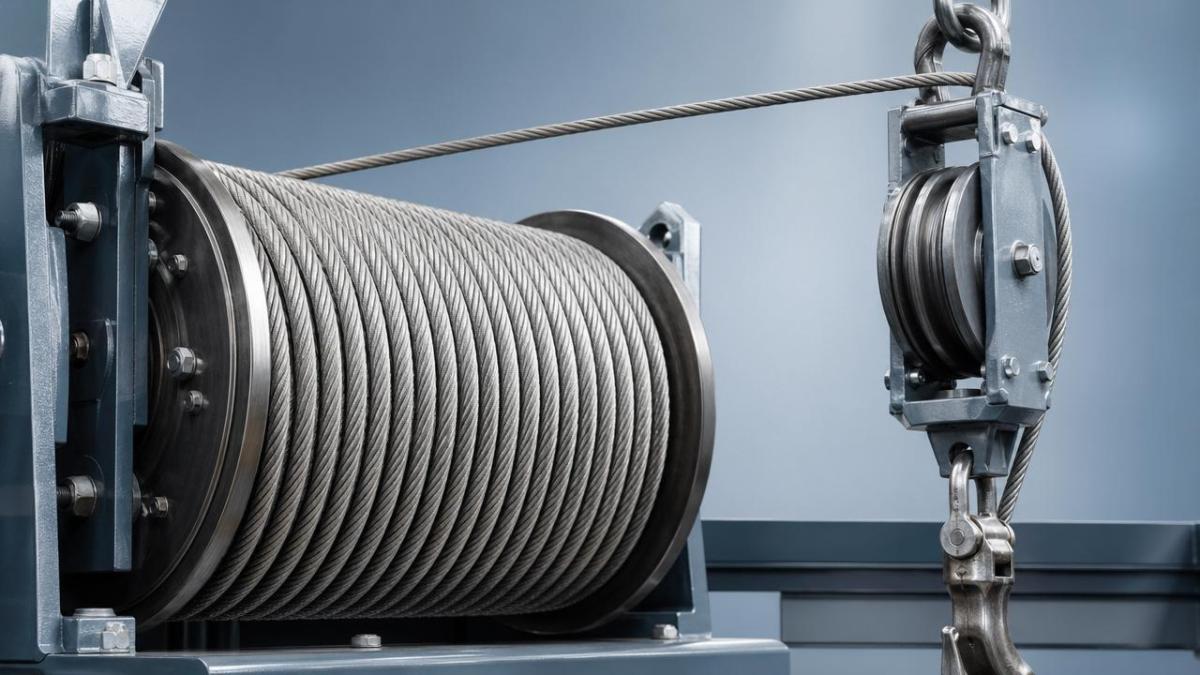
Bending the rope over undersized sheaves or drums is also a serious error. When the equipment diameter is too small for the rope design, the rope experiences excessive bending stress every cycle. This accelerates fatigue and wire breakage. Before installation, operators should confirm that sheaves, drums, grooves, and fleet angles are suitable. Even a high-quality wire rope will wear out quickly if the supporting equipment is not compatible.
Operating Habits That Shorten Wire Rope Service Life
Many daily wire rope problems are caused during operation, not setup. Overloading is the most obvious example. Even occasional loads above the rope’s working limit can cause permanent internal damage. The danger is greater when overloading happens suddenly, such as during shock loading. A rope that appears fine after a sudden jerk may already have lost part of its safe operating capacity.
Side pulling is another frequent handling error. Wire rope is meant to carry load in line with its intended path. When the load is pulled at an angle, the rope can rub against flanges, climb out of grooves, or suffer crushing and abrasion. Side loading also places extra stress on hooks, drums, sheaves, and terminations. Operators should always align the lift or pull correctly rather than using the rope to compensate for poor positioning.
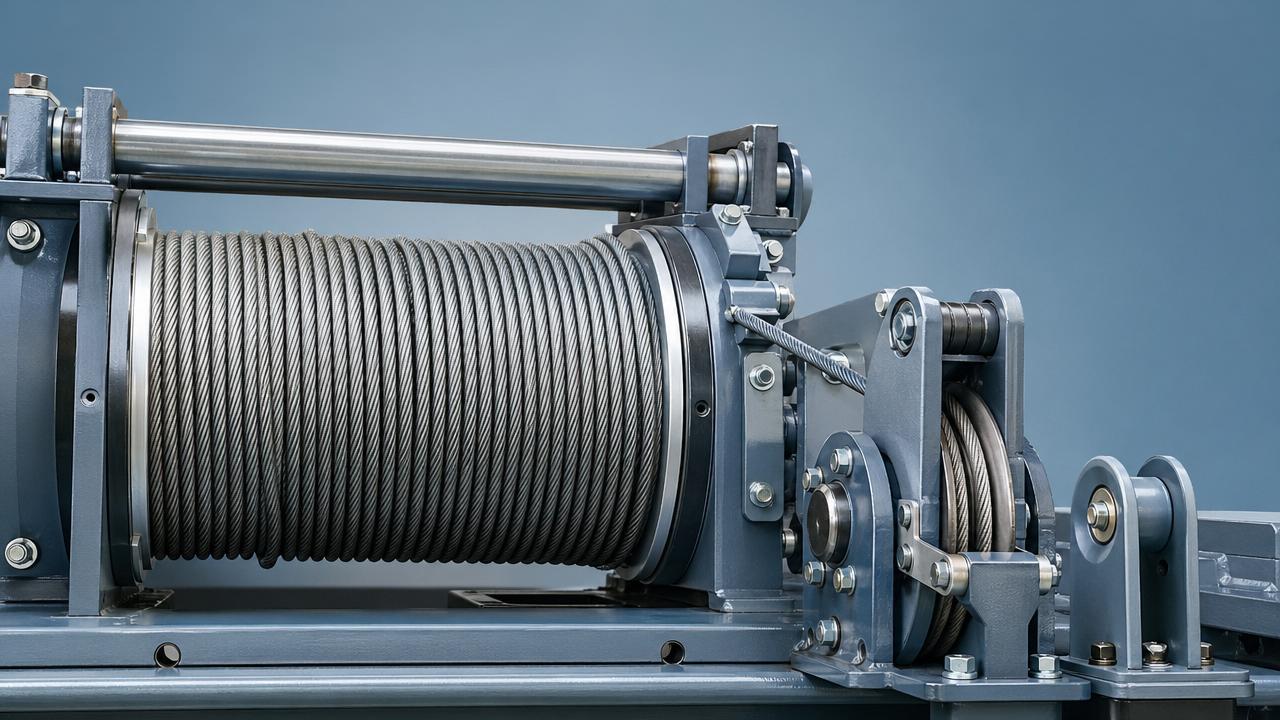
Poor spooling practices create long-term damage as well. If the rope is wound onto a drum with uneven tension, crossed wraps, or gaps between layers, pressure points develop during later cycles. These can crush lower layers and deform the rope. Good spooling requires controlled tension, proper fleet angle, and close attention during the first wraps. A neat drum is not just cosmetic; it directly affects rope life and safety.
Inspection Mistakes: The Problem Is Often What Operators Fail to Notice
Inspection is where many operations lose control of risk. Some users only look for obvious broken wires and miss other critical warning signs such as diameter reduction, corrosion, localized wear, heat damage, crushed strands, or changes in rope lay. A wire rope can remain in service too long if inspection is too casual or based only on appearance from one angle.
Another mistake is performing inspections without a routine. Effective checks should include the sections that pass over sheaves, wrap onto drums, contact equipment surfaces, and terminate at fittings. These are the areas where damage often starts. If operators only inspect the most visible accessible part, they may miss concentrated wear zones or internal deterioration developing in high-stress positions.
Recordkeeping also matters more than many teams realize. A single inspection tells you the rope’s current condition, but a series of inspections shows its rate of change. Without records, it is difficult to know whether wear is stable, accelerating, or linked to a new operating issue. Operators and supervisors should document findings consistently so they can make informed replacement decisions instead of waiting for obvious failure signs.
Common Warning Signs That Should Never Be Ignored
Operators should be trained to recognize that wire rope rarely fails without warning. One of the most important signs is broken wires, especially if they are concentrated in one area. Clusters of breaks usually indicate localized fatigue or contact damage. Another warning sign is a noticeable reduction in rope diameter, which may suggest core failure, internal wear, or excessive compression.
Distortion is equally serious. Kinks, birdcaging, waviness, strand displacement, and crushed sections all indicate that the rope’s structure has been compromised. These conditions are not normal wear. They often result from mishandling, shock loading, poor spooling, or installation error. Continuing to use a distorted rope because it “still works” is one of the most dangerous decisions an operator can make.
Corrosion, discoloration from heat, and unusual noise during operation should also trigger attention. Rust is not only a surface issue; it can reduce wire cross-section and increase internal friction. Heat may change material properties or damage lubricant. If a rope starts behaving differently, running rough, or showing vibration where it did not before, that change should be investigated instead of normalized.
How Operators Can Prevent the Most Frequent Handling Errors
The best prevention is not complicated, but it must be consistent. Start with controlled handling at every stage. Store reels properly, protect them from moisture and impact, and inspect them before installation. During setup, unreel the rope correctly, avoid loops, prevent twist, and verify that drums and sheaves are suitable. These basic steps eliminate many of the most common causes of early damage.
During daily operation, operators should work within rated limits, avoid shock loading, and keep the rope aligned with the load path. They should pay close attention to drum winding and stop if the rope begins crossing, crushing, or running out of groove. Lubrication should not be ignored, especially in demanding environments. Clean, compatible lubricant helps reduce internal friction and protect against corrosion.
Inspection should be built into normal workflow rather than treated as an occasional extra task. A short pre-use visual check combined with scheduled detailed inspections is far more effective than relying on memory or waiting for failure symptoms. When abnormal signs are found, operators should report them early and remove the rope from service when required, rather than pushing for one more shift or one more lift.
When Replacement Is the Safer and More Economical Choice
Many users try to maximize rope life by extending service as long as possible, but keeping a damaged wire rope in operation often costs more than replacing it on time. A worn rope can reduce equipment efficiency, create downtime, damage sheaves and drums, and increase the likelihood of an incident. What looks like cost saving may actually be delayed expense combined with higher risk.
Replacement decisions should be based on inspection findings, service conditions, operating history, and applicable standards, not guesswork. If the rope shows severe wear, distortion, corrosion, repeated broken wires, or signs of internal failure, replacement should not be postponed. A rope that has been shock loaded or kinked may also need removal even if external damage seems limited.
For operators, the key mindset is simple: wire rope is a consumable safety component, not a permanent asset. Its condition changes with every cycle of use. Replacing it at the right time protects people, equipment, and productivity. In many cases, early replacement after clear warning signs is the most responsible and economical decision available.
Conclusion
The most common wire rope handling errors in daily operation are usually preventable. Improper storage, careless installation, overloading, poor spooling, and weak inspection habits all contribute to shortened service life and increased safety risk. In most cases, the problem is not the rope itself but how it is treated on site from the moment it arrives until the day it is removed from service.
For operators and users, the practical lesson is clear: small handling mistakes create large consequences over time. Paying attention to storage conditions, correct reeving, load control, lubrication, alignment, and inspection can dramatically improve wire rope performance. These are not abstract best practices; they are the everyday actions that determine whether a rope performs safely or fails early.
If you want longer service life, fewer unexpected failures, and safer operation, focus first on eliminating common wire rope handling errors. A disciplined approach to daily use will do more to protect your wire rope than any assumption that a stronger product alone can compensate for poor handling. In real operating conditions, good practice is what keeps wire rope reliable.
Navigation
Send Us A Message



Shandong Faster Technology Co., Ltd. is a professional manufacturer of steel wire ropes.
Get in Touch
*We respect your confidentiality and all information are protected.