





Anti-Rust Galvanized Wire Maintenance Practices for Long-Term Outdoor Performance
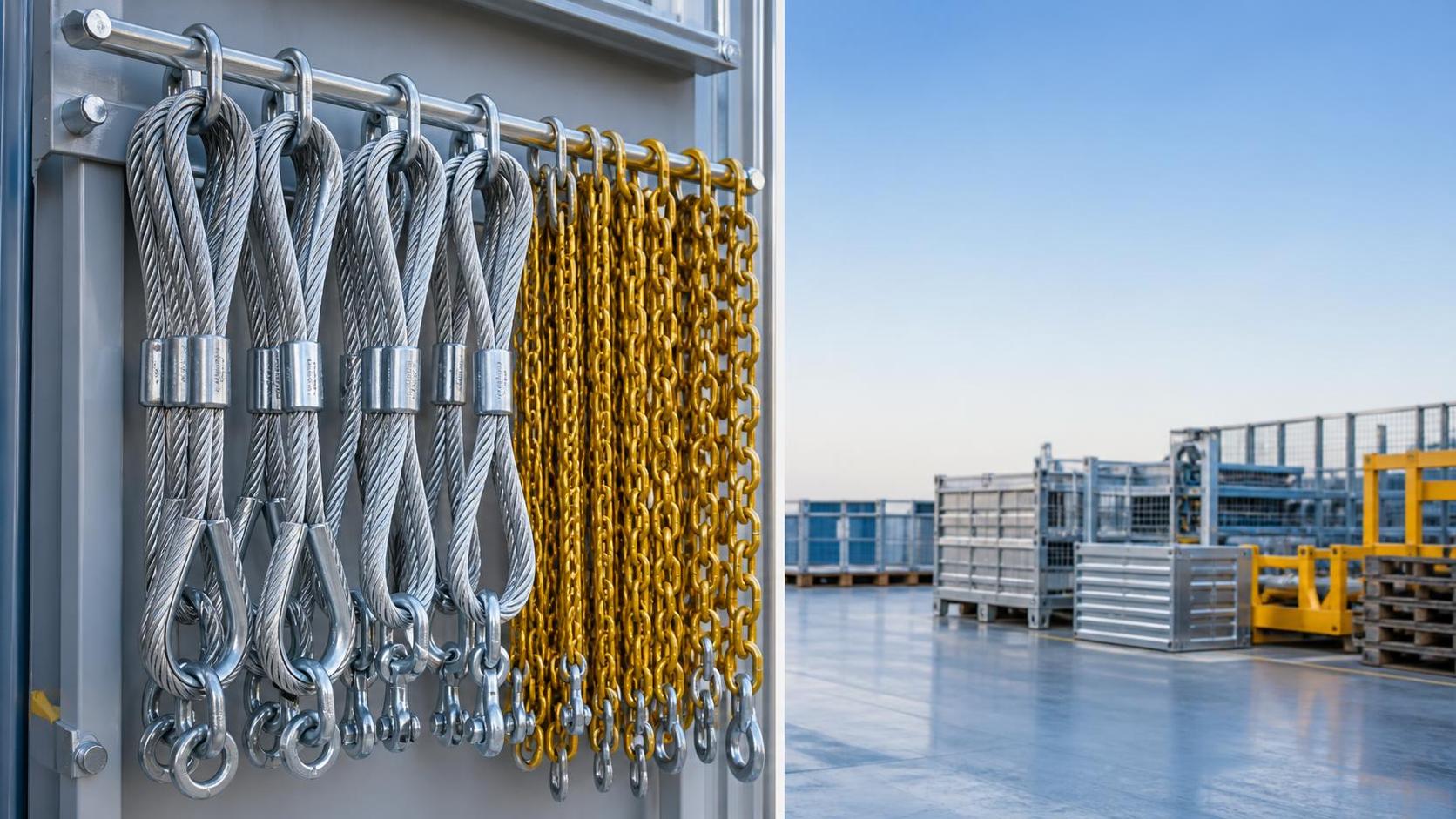
For after-sales maintenance teams, preserving the outdoor reliability of anti rust galvanized wire is less about making a product look clean and more about controlling the conditions that turn minor coating damage into a service failure. Moisture, road salt, industrial dust, trapped debris, and repeated loading can work together to shorten the useful life of galvanized wire rope, securing wire, and transport chain long before a visible break occurs.
The key maintenance question is not simply whether galvanizing is present. It is whether the zinc coating, the steel beneath it, and the product's working condition are still appropriate for the exposure and load cycle. A galvanized surface can provide substantial protection, but it is not an unlimited barrier. Once abrasion, chemical attack, or water retention overwhelms the coating in local areas, corrosion can concentrate at the points that are hardest to inspect: wire valleys, rope terminations, chain link contact zones, hooks, and fittings.
Start with the actual exposure, not the product label
Outdoor service is not one condition. A wire rope used occasionally on a dry construction site faces a different maintenance burden from one used near a port, on winter roads, around fertilizer handling, or in a washdown area. Maintenance intervals should reflect the environment and duty cycle rather than a single calendar rule.
For practical planning, teams can separate outdoor exposure into three broad groups:
- Ordinary weather exposure: rain, humidity, UV exposure, and normal airborne dust. Routine visual inspection and periodic cleaning may be sufficient where drainage is good and use is infrequent.
- High-contamination exposure: mud, concrete dust, wood debris, soil, and abrasive particles. These materials hold moisture and can wear zinc from contact surfaces during handling.
- High-corrosion exposure: salt spray, de-icing chemicals, marine air, chemical residues, manure, fertilizer, or repeated washdown. These conditions require shorter inspection intervals, deliberate rinsing, and closer evaluation of coating loss.
A common operational mistake is assuming that a yellow zinc finish, hot-dip galvanizing, or an “anti-rust” description eliminates the need for preservation work. These finishes delay corrosion; they do not prevent mechanical damage, prevent water from entering tight interfaces, or compensate for incorrect storage. In service, the weakest local condition usually determines the maintenance outcome.
Inspect where corrosion and damage begin
A useful inspection routine looks beyond broad areas of red rust. Surface discoloration is important, but it is often a late and incomplete indicator. The first signs of risk may be dull gray zinc loss, white corrosion products, packed debris, broken wires, flattened rope sections, or shiny wear marks at recurring contact points.
For galvanized wire rope, inspect the full accessible length while slowly moving the rope where possible. Pay particular attention to areas passing over sheaves, through guides, around drums, and into end terminations. Outer wires can appear acceptable while moisture and debris remain trapped between strands. Broken wires, strand displacement, kinking, birdcaging, crushing, or diameter reduction should be assessed against the applicable equipment manual and retirement criteria; visual coating condition alone is not an acceptance basis.
For chain, inspect link crowns, the inside radius of links, weld areas, and points where the chain bears against binders, hooks, trailer edges, or the ground. These are the locations where galvanizing is most likely to be worn away. A chain that has been dragged across aggregate or repeatedly tensioned over sharp cargo edges may retain its overall color while losing protective coating at its highest-stress contact zones.
Document findings with photographs and a simple condition category: serviceable, clean and monitor, remove for detailed assessment, or remove from service. This makes recurring defects visible across shifts and helps distinguish isolated abuse from a broader environmental or handling problem.
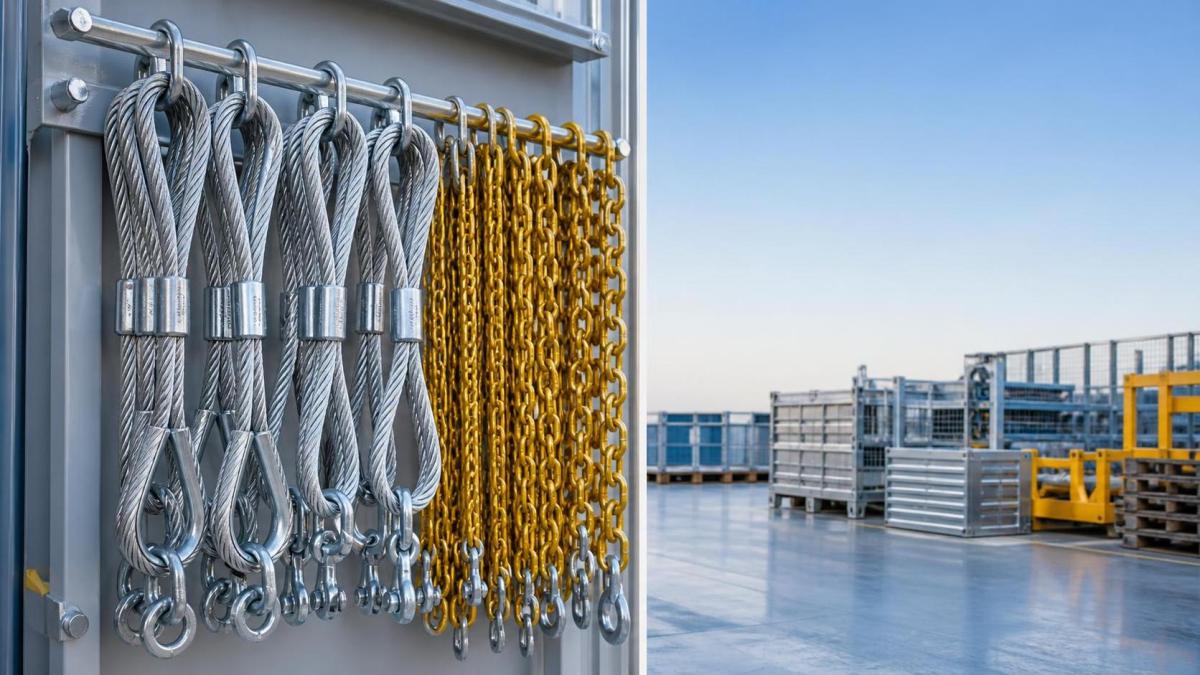
Cleaning should remove contaminants without stripping protection
Cleaning is most effective when it follows exposure, rather than waiting for corrosion to become visually obvious. Salt residue and alkaline or acidic deposits are especially important because they can remain active after the equipment appears dry.
Begin by removing loose dirt with a soft brush, low-pressure water, or compressed air where the task and site controls allow it. If salt, mud, or chemical residue is present, rinse with clean water and allow the product to dry thoroughly. Mild, compatible cleaners may be used when approved by the manufacturer or site procedure, but aggressive acids, strong alkalis, and uncontrolled abrasive cleaning can damage zinc coatings and introduce a new corrosion problem.
Wire rope needs particular care. Do not use methods that force contamination deeper between strands or remove internal lubricant. After cleaning, check that water has not been retained in low points, at sockets, inside loops, or under protective sleeves. A product returned to storage while wet can corrode more rapidly than one left in controlled outdoor service with adequate ventilation.
For chains used in road transport, towing, logging, or agricultural support, washdown after exposure to de-icing salts, wet soil, or organic residues can be more valuable than occasional cosmetic cleaning. The objective is to remove material that holds water in link interfaces, not to restore a showroom finish.
Lubrication is a corrosion-control step, but it must match the component
Galvanized wire rope requires a rope lubricant or preservative compatible with its construction, operating environment, and any existing lubricant. The product should penetrate sufficiently to protect the internal wire interfaces while avoiding excessive buildup that attracts grit. Apply it after cleaning and drying, with attention to bending zones and areas exposed to weather.
There is no universal lubricant interval. High-cycle ropes, marine-facing installations, and equipment exposed to repeated wetting may need shorter intervals than lightly used outdoor tie-down systems. Maintenance teams should also consider downstream consequences: lubricant contamination may be unacceptable in certain handling, food-adjacent, or coated-product environments. In those cases, a compatible low-residue preservation method should be selected through the equipment supplier or site engineering process.
Chain lubrication can reduce corrosion at link contact points, but a heavy coating of grease is not automatically useful for cargo control or towing chains. It may capture sand, mask damage, and contaminate cargo. A light corrosion-inhibiting film, applied after cleaning and before dry storage, is often easier to inspect and maintain. Any treatment must not interfere with markings, inspection visibility, grip surfaces, or manufacturer instructions.
Storage failures are often mistaken for field failures
Many corrosion complaints originate after a product has returned from the field. Coils placed directly on concrete, chains left in a wet truck box, and wire rope stored under a non-breathable cover all create moisture traps. Outdoor-rated hardware still needs a controlled resting condition.
- Store wire rope and chain off the ground on racks, pallets, or suitable hangers.
- Keep products drained and ventilated; avoid sealing wet equipment in plastic wrapping.
- Separate galvanized products from residues that may be acidic, alkaline, saline, or chemically reactive.
- Protect from impact and abrasion during storage so the coating is not damaged before the next use.
- Identify equipment by condition and application, preventing questionable items from returning to service without review.
Mixed storage is a frequent practical issue. A clean galvanized chain placed beside wet, rusting steel tools or chemical containers can face accelerated contamination. Good housekeeping is therefore part of corrosion management, not merely a warehouse concern.
Do not confuse corrosion resistance with load suitability
Maintenance personnel are often the last line of defense when equipment is repurposed. A galvanized chain may appear robust and corrosion-resistant, but its suitability still depends on grade, size, working load limit, intended use, connector compatibility, and local transport or lifting rules. Transport chain should not be assumed suitable for overhead lifting, and towing configurations need their own assessment of load direction, shock loading, attachment points, and recovery practices.
For example, equipment such as the NACM90 Yellow Galvanized G70 Truck Tow Chain 5/16" 3/8" 1/2" Transport Chain may be considered for load binding, towing, construction support, or outdoor transport work, depending on the specified configuration and applicable requirements. Its zinc-finished surface can support corrosion control in exposed service, but maintenance teams should still verify the product markings, grade, dimensions, load documentation, and the task-specific restrictions before releasing it for use. Claims concerning compliance, including DOT-related requirements, should be confirmed against the supplied documentation and the jurisdiction where the equipment operates.
The same caution applies when coating damage is found. Re-galvanizing, touch-up coatings, or paint may improve surface appearance, but they do not automatically restore mechanical integrity or certify a damaged rope or chain for continued service. Where wear, deformation, cracks, broken wires, damaged welds, or significant section loss are present, the decision should be based on the governing inspection criteria, not a coating repair alone.
Build a maintenance trigger system instead of relying on memory
The most effective programs give technicians clear triggers: inspect after salt exposure, clean after mud or chemical contact, lubricate after cleaning and drying, and escalate when coating loss appears in load-bearing contact areas. A short inspection record can capture date, environment, visible condition, lubrication status, defects, and disposition. This is more useful than a generic statement that the asset was “checked.”
Over time, the records reveal whether failures are tied to a supplier batch, a storage location, a route using winter-treated roads, a specific trailer, or an application that exceeds the original product selection. That is the point at which anti rust galvanized wire maintenance becomes a reliability process rather than a reactive cleaning task.
For outdoor fleets and industrial support equipment, the practical standard is simple: keep contaminants off the surface, prevent water from remaining in interfaces, preserve lubrication where the component requires it, and remove any item whose load-bearing condition is uncertain. Galvanizing buys time. Consistent maintenance determines how well that time is used.
Navigation
Send Us A Message



Shandong Faster Technology Co., Ltd. is a professional manufacturer of steel wire ropes.
Get in Touch
*We respect your confidentiality and all information are protected.