





19x7 Steel Wire Strand vs Standard Strand: Differences in Rotation and Load Control
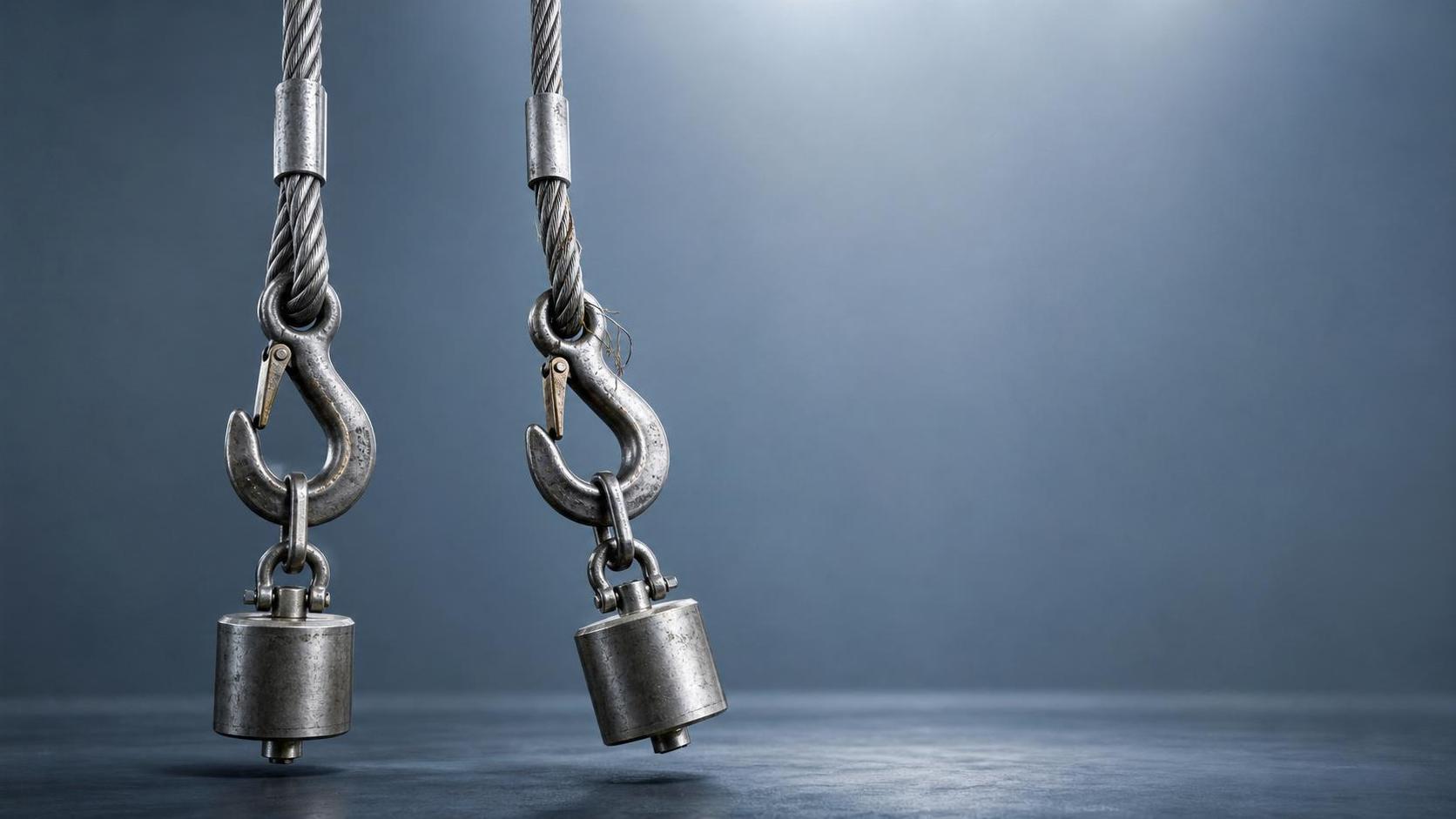
Choosing between a 19x7 steel wire strand and a standard strand is not only a structural question. It directly affects rotation behavior, load control, fatigue response, and handling consistency in lifting and tensioning systems.
In industrial equipment and components, these differences matter most when loads move, stop, or change direction. A strand that turns under tension can reduce positioning accuracy and introduce avoidable risk.
That is why 19x7 steel wire strand is often reviewed separately from more conventional constructions. Its internal design changes how torque is distributed and how the strand behaves under working load.
What Makes 19x7 Different
The term 19x7 steel wire strand usually refers to a non-rotating or rotation-resistant construction. It is built from 19 strands, each made of 7 wires.
This layered arrangement is designed so internal strand lays counteract torque. Under load, the tendency to spin is reduced compared with many standard strand options.
A standard strand often has a simpler structure. That can be suitable for basic pulling or static support, but it usually offers less control when the application becomes dynamic.
Rotation Resistance Is the Main Separation
Rotation matters when a suspended load must remain stable. If the strand stores torsional energy, it may unwind slightly and cause the hook block or attached component to turn.
A 19x7 steel wire strand is engineered to limit that effect. The opposing strand geometry helps balance torque, especially in single-part lifting lines or long vertical installations.
By contrast, standard strand may rotate more noticeably. In light-duty setups that may be manageable. In precise handling, it can become a control and safety issue.
Where rotation becomes a practical problem
- Tower crane hoisting with long lifting heights
- Elevator and cableway systems requiring smooth tracking
- Port cranes handling loads exposed to wind and motion
- Tensioned lines where twisting affects alignment
Load Control Is More Than Breaking Strength
Technical evaluation often begins with minimum breaking load. That is necessary, but not sufficient. Real performance also depends on how the strand carries force during acceleration, braking, bending, and repeated cycling.
A 19x7 steel wire strand generally offers better load stability because its structure distributes internal stress more evenly during motion. That helps reduce sudden twist-related load shifts.
Standard strand may still perform well in less sensitive duties. However, when the line passes over sheaves, changes direction, or runs at height, control behavior becomes a more important metric.
Why the Industry Pays Attention
Current equipment design puts more pressure on ropes and strands to do several jobs at once. They must carry load, resist wear, run over pulleys, and maintain predictable motion.
This is why rotation-resistant constructions are more frequently specified in cranes, elevators, cableways, and loading systems. Downtime often begins with motion instability long before a nominal strength limit is reached.
In related rope selections, evaluators also compare flexibility and wear behavior. For example, Elevator steel wire rope 8x19S wear-resistant 6-22mm machine rope is used in scenarios where bending performance, contact wear, and balanced load sharing also matter.
Related Constructions and Practical Context
Not every application requiring smooth operation needs a 19x7 steel wire strand. Some multi-strand ropes are selected for flexibility, pulley compatibility, and wear life rather than strict rotation resistance.
An 8x19S family rope, including 8x19S+FC or 8x19S+FC/IWRC, is a useful example. These constructions are common in elevators, cranes, cableways, shipping, and loading equipment.
They are available in bright, electric galvanized, and hot dip galvanized finishes, with diameter options from 6.0mm to 22mm. Fiber core versions can improve bending behavior and reduce added weight.
That does not make them direct substitutes for 19x7 steel wire strand. It shows that load control decisions should be tied to actual operating conditions, not only to one headline parameter.
How to Judge the Right Option
A useful review starts with motion behavior. Ask whether the line will carry free-hanging loads, travel over significant height, or experience frequent starts and stops.
Then check the mechanical environment. Sheave diameter, reeving method, duty cycle, corrosion exposure, and installation length all influence whether 19x7 steel wire strand provides measurable value.
Points worth verifying before selection
- Expected rotation tolerance during operation
- Dynamic versus static load profile
- Required flexibility over pulleys or drums
- Need for galvanized or bright finish
- Minimum breaking load and safety margin
- Inspection, replacement, and delivery constraints
Supply factors also deserve attention. Some rope programs offer delivery in 5 to 10 days, reel lengths from 500m to 3000m, and packaging on wooden, iron, plastic reels, or rolls.
A More Useful Next Step
The best comparison is rarely between names alone. It is between rotation risk, load behavior, fatigue exposure, and the control level the application actually demands.
If the system depends on stable lifting geometry, a 19x7 steel wire strand deserves close review. If bending life and wear are the dominant issues, another construction may fit better.
A practical next move is to map the operating path, define allowable rotation, and compare candidate constructions against duty cycle, diameter range, finish, and certification needs such as SGS, CE, or Rohs ISO.
Navigation
Send Us A Message



Shandong Faster Technology Co., Ltd. is a professional manufacturer of steel wire ropes.
Get in Touch
*We respect your confidentiality and all information are protected.