





Steel Wire Strand 8mm: Load Capacity, Flexibility, and Typical Installation Uses
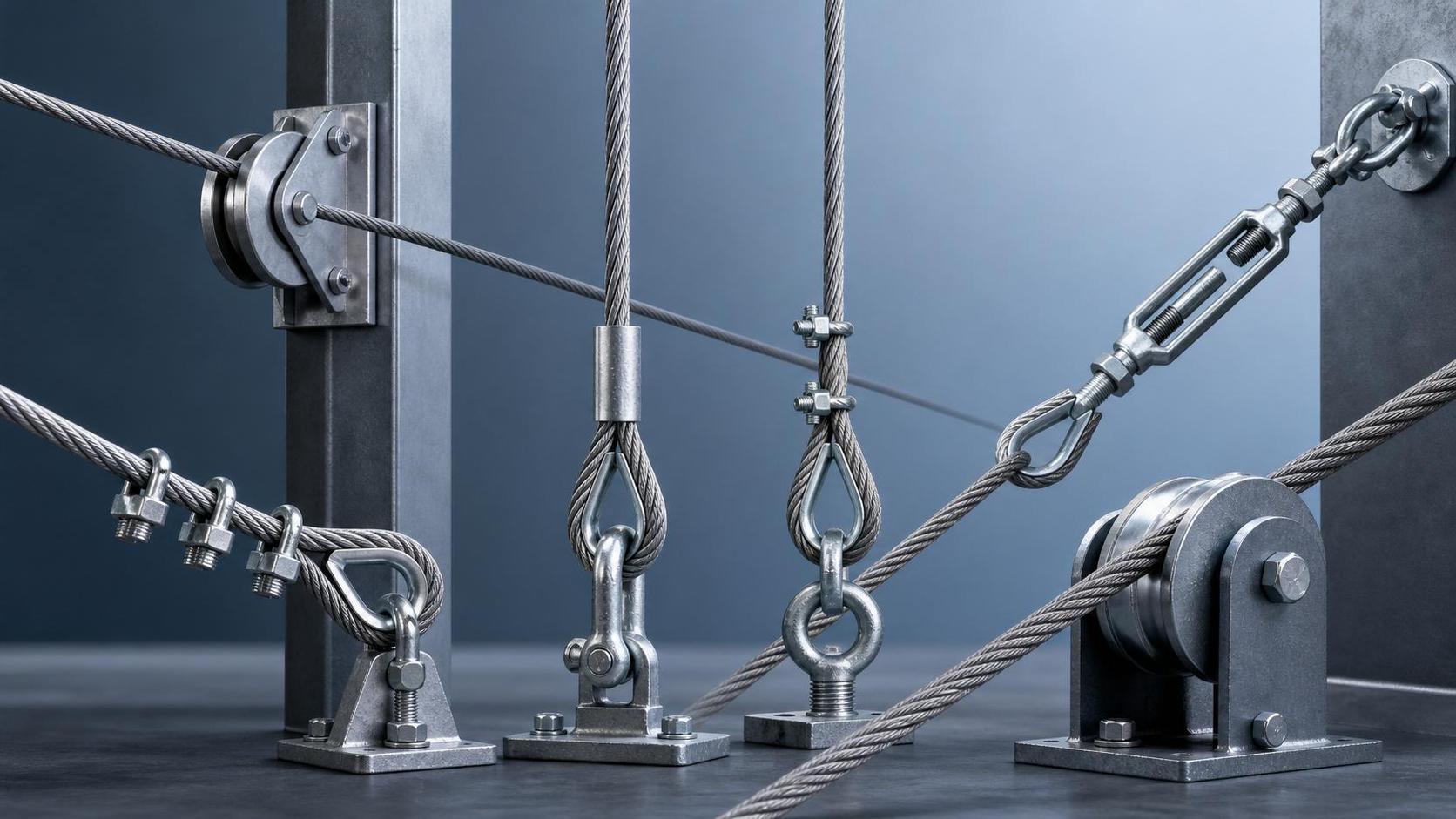
Steel wire strand 8mm works differently once the site conditions change
Choosing a steel wire strand 8mm is rarely just about matching diameter to load.
In real installations, safety margins, bending frequency, anchoring method, and corrosion exposure usually decide whether the selection performs well over time.
That is why steel wire strand 8mm is often evaluated by three linked questions.
How much load must it carry, how much flexibility does the routing require, and what kind of installation environment will it face after commissioning.
A strand that looks acceptable on paper may still create problems if it runs over small pulleys, sees repeated shock loading, or stays outdoors with poor drainage.
Why one 8mm strand does not suit every installation
Different applications ask for different behavior from the same nominal size.
A static support line usually values breaking strength and corrosion resistance.
A moving pull line may care more about bending fatigue and surface consistency.
Suspended architectural elements often need a cleaner finish, predictable elongation, and easier termination in confined spaces.
In practical terms, steel wire strand 8mm should be reviewed against installation geometry, expected duty cycle, and the consequences of failure, not just the headline strength figure.
Load capacity matters most in fixed support and structural restraint
When steel wire strand 8mm is used for support, restraint, or suspended structural elements, the first review should focus on the real working load.
That includes dead load, temporary overload, wind effect, and any dynamic force introduced during installation or service.
More failures come from underestimating service conditions than from choosing the wrong diameter alone.
In these cases, the strand must also match the full system.
Sockets, clamps, thimbles, anchors, and turnbuckles can reduce effective capacity if they are not sized correctly.
A practical review looks at the assembly as a load path, not as a single component.
What usually separates a safe choice from a risky one
- Use working load limits based on application safety factors, not minimum breaking load alone.
- Check whether the strand will stay mostly static or receive intermittent shock.
- Confirm galvanizing level and drainage details for outdoor or humid installations.
- Review local standards and project specifications before final approval.
Where flexibility becomes the deciding factor
Not every steel wire strand 8mm works well in moving or routed applications.
If the strand passes around pulleys, tight guides, or offset anchor points, flexibility becomes more important than many buyers expect.
A stiffer construction may hold shape well, yet it can suffer earlier fatigue where repeated bending occurs.
This is common in pulling systems, messenger wire arrangements, and compact mechanical assemblies.
For lighter-duty routing tasks, some projects compare larger strands with smaller galvanized ropes that offer smoother bending behavior.
An example is 1x7 Galvanized Steel Wire Rope 0.6-3.0mm use For Hanging And Pulling Wire, which fits hanging, pulling, cable seal, and precision equipment uses where compact diameter and clean surface finish matter more than large-span support.
That comparison helps clarify a broader selection rule.
The right product is the one whose structure matches movement, not the one with the biggest nominal size.
Common installation uses call for different judgment points
In practice, steel wire strand 8mm appears across several familiar industrial and construction uses.
The selection logic changes slightly in each one.
Suspended equipment and utility support
Here, the main concern is stable long-term tension.
Installers usually need dependable corrosion resistance, consistent termination quality, and limited extension after loading.
If the support sits outdoors, hot-dip galvanized finishes often make more sense than untreated carbon steel.
Pulling lines and temporary installation work
This setting places more stress on handling and bend performance.
The line may be dragged, redirected, reeled, and exposed to short bursts of force.
Good surface treatment reduces abrasion and early rust, but the pulley diameter and routing path still deserve close attention.
Architectural hanging and light industrial assemblies
These applications often combine load-bearing needs with visible finish requirements.
A bright or galvanized appearance may be preferred, while burr-free wire surfaces help during crimping and adjustment.
Where the load is modest, smaller 1x7 constructions are often chosen for cleaner routing and easier packaging lengths.
The most frequent selection mistakes happen before installation starts
One common mistake is treating similar applications as identical.
A messenger line, a hanging line, and a restraint line may all look alike in drawings, but their fatigue, tension, and inspection needs are not the same.
Another mistake is focusing only on purchase price.
Replacement access, downtime, corrosion risk, and termination labor can cost more than the strand itself.
It is also easy to overlook standards and material grade.
For smaller rope systems, products built to GB/T 20118-2006, GB 8918-2006, or DIN3052 with tensile ranges such as 1570, 1770, or 1960 MPa can be useful reference points when comparing performance consistency and supply options.
A practical way to match steel wire strand 8mm to the job
Start with the actual use condition, then narrow the choice by performance requirements.
- Map the load case: static, variable, or shock-prone.
- Measure bend radius, pulley size, and anchor geometry.
- Decide whether corrosion resistance or appearance affects service life.
- Confirm end fittings, inspection access, and replacement difficulty.
- Compare alternatives when a smaller galvanized rope may suit lighter routed tasks better.
In some support systems, steel wire strand 8mm will be the right balance of strength and handling.
In other cases, a smaller specialized option such as 1x7 Galvanized Steel Wire Rope 0.6-3.0mm use For Hanging And Pulling Wire is more appropriate for precision pulling, hanging, or compact equipment routing.
The better approach is to define the scene clearly, compare conditions honestly, and verify the full assembly before release.
That usually leads to lower lifecycle cost, smoother installation, and fewer surprises in service.
Navigation
Send Us A Message



Shandong Faster Technology Co., Ltd. is a professional manufacturer of steel wire ropes.
Get in Touch
*We respect your confidentiality and all information are protected.