





How to Choose Fishing Rope for Saltwater Use, Tensile Strength, and Handling Needs
How to Choose Fishing Rope for Saltwater Use, Tensile Strength, and Handling Needs
Choosing the right Fishing rope for saltwater use is about more than just strength.
Corrosion resistance, tensile performance, flexibility, and safe handling all matter in harsh marine conditions.
For boating, docking, and offshore support, the wrong rope wears out faster and becomes harder to control.
A better choice lasts longer, feels more predictable, and matches the real load and environment.
Start with Saltwater Resistance
Saltwater is tough on any Fishing rope.
It speeds up corrosion, traps grit, and keeps surfaces wet for long periods.
That means material choice should come before price or color.
In practical use, coated or protected constructions usually perform better than exposed metal under repeated marine contact.
Look for these traits first:
- Resistance to salt spray and standing moisture
- A surface that reduces abrasion from guides, cleats, or rails
- Easy cleaning after exposure to sand, algae, and fish residue
- Protection against fraying, wire exposure, or stiffening over time
A saltwater Fishing rope should stay manageable after repeated soaking, drying, and handling.
Understand Tensile Strength Without Overbuying
Many buyers focus only on maximum strength.
That sounds safe, but it can lead to a Fishing rope that feels too heavy or too rigid.
The better approach is matching the rope to working load, shock load, and handling style.
Ask three simple questions before choosing:
- What load will the rope carry in normal use?
- Will it face sudden pulls from waves, wind, or moving gear?
- Does the user need easy coiling and quick manual control?
This matters because a Fishing rope for light line control differs from one used near hoists, mooring support, or tension systems.
A safety margin is still essential, but oversized rope often adds cost and reduces comfort.
Handling Matters More Than Many Buyers Expect
A strong Fishing rope is not automatically a good one.
If it kinks easily, feels rough, or becomes slippery when wet, daily use gets frustrating fast.
Good handling usually comes from the right balance of flexibility, surface finish, and construction.
Pay attention to these points:
- Flexibility for coiling, routing, and storage
- Grip comfort during wet handling
- Low tendency to birdcage, flatten, or twist
- Smooth travel through pulleys or guides
From recent buying patterns, more users now care about handling almost as much as raw strength.
That shift makes sense because control and comfort directly affect safety.
Compare Diameter, Weight, and Construction
Diameter changes how a Fishing rope feels and performs.
Thinner options save weight and move easily, but may feel harsher in the hand.
Larger diameters improve grip and capacity, though they need more storage space and stronger hardware compatibility.
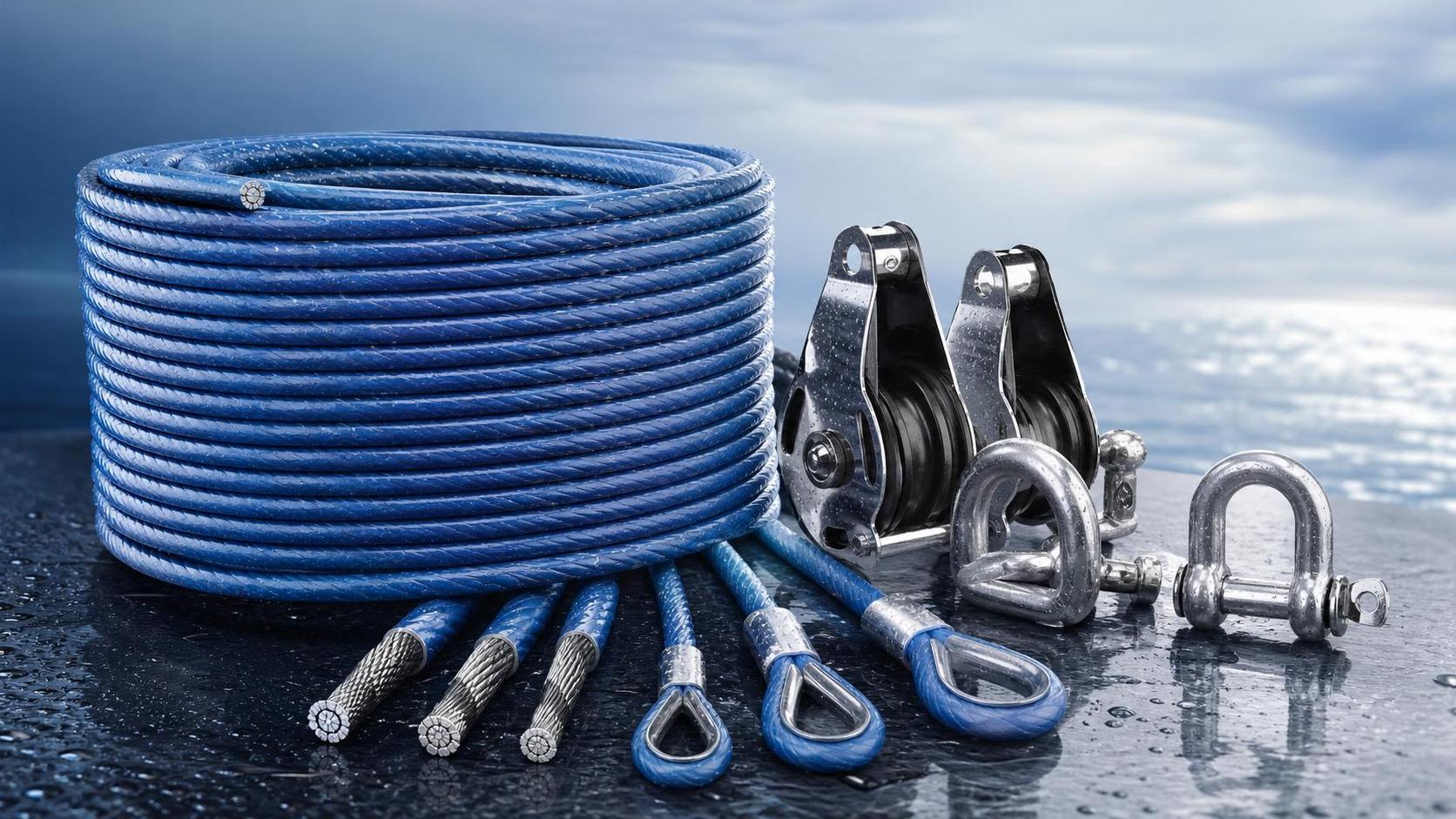
For buyers considering coated wire-based solutions, one useful example is PVC coated Galvanized steel wire rope 1-12mm Customized colors.
It combines galvanized steel strength with a PVC outer layer for corrosion resistance, wear reduction, and safer handling.
Available diameters range from 1mm to 12mm, with both 7x7 and 7x19 constructions.
That makes it relevant for marine support uses where a Fishing rope may need tension stability and a cleaner outer surface.
Do Not Ignore Surface Safety and Maintenance
In marine use, surface condition affects both lifespan and user safety.
An exposed wire or rough finish can scratch hands, damage gloves, and catch on nearby equipment.
This is one reason coated products continue to gain attention.
A smooth coated Fishing rope is often easier to wipe clean after salt exposure.
It can also reduce direct contact between the core material and water, chemicals, or abrasive surfaces.
Even so, no rope is maintenance-free.
A simple routine helps:
- Rinse after saltwater exposure
- Dry before long storage
- Inspect ends, bends, and contact points
- Replace early if stiffness or cracking appears
A Simple Buying Checklist for Fishing Rope
If you want a faster decision, use this checklist before buying any Fishing rope:
- Match the rope to actual saltwater exposure
- Choose tensile strength based on working load, not guesswork
- Check flexibility for coiling and wet handling
- Confirm diameter fits guides, cleats, reels, or pulleys
- Review surface protection and maintenance effort
- Compare weight, safety margin, and comfort together
The best Fishing rope is rarely the strongest one on paper.
It is the one that holds up in saltwater, handles predictably, and fits the real job without unnecessary compromise.
When comparing options, keep corrosion resistance, load rating, and handling feel in the same conversation. That is usually where the right choice becomes clear.
Navigation
Send Us A Message



Shandong Faster Technology Co., Ltd. is a professional manufacturer of steel wire ropes.
Get in Touch
*We respect your confidentiality and all information are protected.