





PVC Coated Rope vs Bare Wire Rope: Which Is Better for Outdoor Handling and Safety?
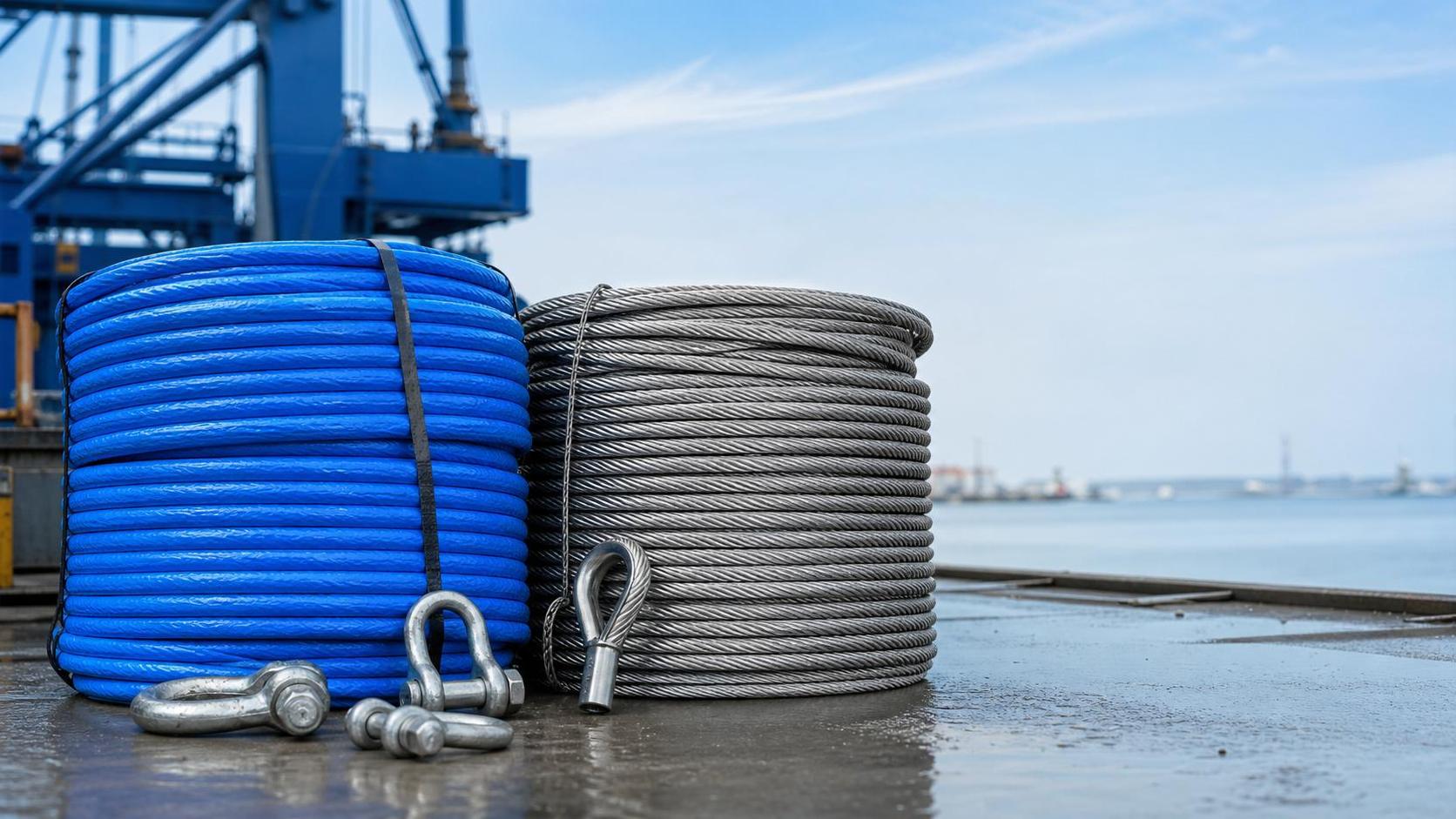
PVC Coated Rope vs Bare Wire Rope: Which Is Better for Outdoor Handling and Safety?
When choosing between PVC coated rope and bare wire rope for outdoor handling, safety and durability matter just as much as strength.
From resisting weather and corrosion to improving grip and reducing surface damage, each option brings different benefits in daily use.
The right decision depends on load type, exposure, handling frequency, and how much operator contact happens during the job.
In practice, PVC coated rope is often chosen for cleaner handling and surface protection, while bare wire rope stays popular for harsh, heavy-duty tasks.
What Makes PVC Coated Rope Different?
PVC coated rope is a steel wire rope covered with a protective PVC outer layer.
That outer layer changes how the rope feels, performs, and ages in outdoor environments.
The steel core still provides strength.
The PVC coating adds a buffer against moisture, abrasion, dirt, and accidental contact with sensitive surfaces.
- Better grip in wet or cold conditions
- Lower risk of minor hand injury from exposed strands
- Less scratching on painted or polished materials
- Extra shielding against water and outdoor contamination
These points make PVC coated rope attractive for repeated manual handling.
Where Bare Wire Rope Still Has the Advantage
Bare wire rope has no plastic outer cover.
This gives direct exposure to the steel strands, which can be useful in demanding industrial settings.
It is often preferred when maximum heat tolerance matters, or when inspection of the steel surface must stay fully visible.
Bare wire rope can also be a practical choice for rugged lifting systems where cosmetic surface protection is not important.
- Handles higher temperatures better
- Easier to inspect visible strand wear
- Common in heavy lifting and structural applications
- Usually lower initial cost in some specifications
Still, bare steel demands more attention outdoors, especially in wet, coastal, or muddy conditions.
Outdoor Safety: Which Option Is Easier to Handle?
For frequent manual use, PVC coated rope usually feels safer and easier to control.
The coating improves grip and reduces direct contact with sharp wire ends or broken surface points.
That matters when ropes are pulled, repositioned, or tied down several times a day.
Bare wire rope can become harder to handle after wear develops.
Once strands begin to fray, glove damage and minor puncture risk increase.
For outdoor handling and safety, this is often the deciding factor.
Best fit for daily handling
Choose PVC coated rope when the rope touches hands, cargo surfaces, railings, or equipment edges on a regular basis.
Corrosion and Weather Resistance in Real Conditions
Weather exposure changes rope performance faster than many buyers expect.
Rain, UV, dirt, salt spray, and repeated drying cycles all accelerate wear.
PVC coated rope has a clear edge when moisture protection is a priority.
Its coating helps slow corrosion by reducing direct exposure of the steel to water and contaminants.
Bare wire rope can still perform well outdoors, but it usually needs stronger maintenance discipline.
That includes inspection, cleaning, lubrication, and timely replacement after surface rust or strand damage appears.
How to Choose for Specific Outdoor Jobs
The better choice depends on the work environment, not just the rope label.
- Use PVC coated rope for barriers, guide lines, protective tie-downs, and areas with frequent hand contact.
- Use bare wire rope for heavy mechanical systems, higher heat exposure, or applications where direct steel inspection matters.
- Check whether the rope will touch painted equipment, finished metal, or fragile edges.
- Review maintenance capacity before choosing a lower-protection option.
In mixed handling and securing operations, rope is only one part of the safety system.
For heavier binding tasks, many teams pair rope systems with chain hardware rated for demanding loads.
One example is G80 Alloy Steel Welded Marine Lashing Link Chain Hot Dip Galvanized with Double Eye Grab Hooks 8mm 10mm.
It is built from Alloy steel 20Mn2, follows EN 818-2, and suits binding, fixing, logistics transport, and lifting assistance.
Its hot dip galvanized finish and full welding design also support outdoor durability where corrosion control matters.
Common Buying Mistakes to Avoid
- Assuming coating always means higher load performance
- Ignoring UV, salt, or chemical exposure
- Choosing by price without checking handling risk
- Using bare wire rope near finished surfaces without protection
- Skipping routine inspections because the rope still looks usable
A smart selection process balances safety, service life, maintenance effort, and the real handling conditions on site.
Final Decision: Which Is Better?
For outdoor handling and safety, PVC coated rope is often the better all-around choice.
It offers better grip, cleaner handling, and more protection against weather and surface damage.
Bare wire rope remains valuable where heat, visible steel inspection, or rugged heavy-duty use takes priority.
The most reliable decision comes from matching the rope to the job, the environment, and the operator’s daily contact with it.
Before ordering, review load needs, weather exposure, inspection routines, and handling frequency. That simple checklist usually makes the right choice clear.
Navigation
Send Us A Message



Shandong Faster Technology Co., Ltd. is a professional manufacturer of steel wire ropes.
Get in Touch
*We respect your confidentiality and all information are protected.