





6x12 FC Wire Rope for General Hoisting: Benefits, Limits, and Selection Criteria
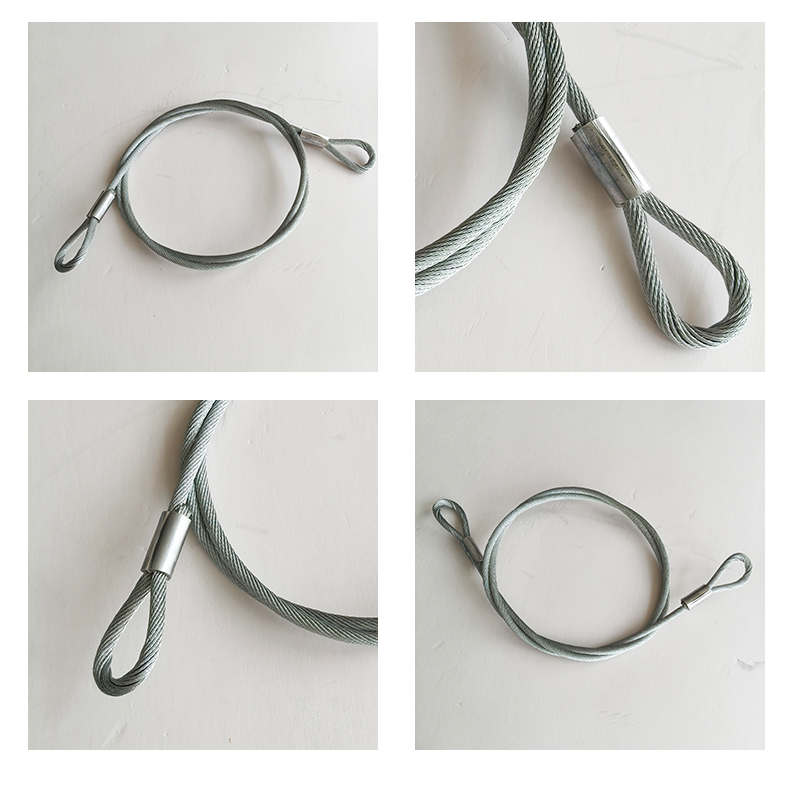
For general hoisting tasks, a 6x12 FC wire rope can be a sensible, work-friendly choice when the job calls for reasonable flexibility, reliable handling, and controlled lifting rather than maximum resistance to rotation. It is commonly considered for light to medium-duty lifting arrangements, small winches, utility hoists, workshop equipment, and applications where the rope passes repeatedly over sheaves.
Still, a rope that feels smooth in the hand is not automatically the right rope for the lift. The core type, reeving arrangement, load behavior, drum condition, environmental exposure, and inspection routine all affect whether a 6x12 FC construction will perform safely over time. For operators, the most important question is not simply “Can this rope lift the load?” but “Will it remain stable and inspectable in the way this equipment is actually used?”
What Does 6x12 FC Mean in a Wire Rope?
The designation describes the rope’s basic construction:
- 6 refers to six outer strands.
- 12 indicates that each strand contains approximately 12 steel wires.
- FC means fiber core, usually a natural or synthetic fiber core depending on the specification.
This construction sits in a practical middle ground. Compared with ropes made from fewer, larger outer wires, a 6x12 FC wire rope is generally more flexible and more comfortable to bend around sheaves and drums. The fiber core can also retain lubricant, helping reduce internal friction between strands during normal bending cycles.
That does not mean every 6x12 FC rope has identical performance. Wire grade, lay direction, finish, diameter, lubrication, manufacturing standard, and end termination all influence the final lifting capability. Always use the manufacturer’s stated minimum breaking force and the applicable design factor for the equipment and local lifting regulations; do not estimate working load limit from diameter alone.
Why Operators Often Choose a Fiber-Core Rope
In daily work, handling matters. A rope that is excessively stiff may resist installation, bend poorly around small sheaves, or create unnecessary wear in equipment designed for a more flexible construction. The fiber core gives this rope type several practical advantages.
Good bending behavior for routine hoisting
Where a rope travels over properly sized sheaves or winds onto a drum under controlled conditions, the construction can provide smooth movement. This is useful for workshop hoists, material handling equipment, and general-purpose lifting systems that do not experience severe side loading or high rotational forces.
Lubrication support from the core
A fiber core can hold lubricant and gradually support internal lubrication during service. This is helpful because wire rope damage often starts inside the rope, where operators cannot easily see it. External lubrication remains necessary, but a lubricated core can reduce internal metal-to-metal rubbing.
More forgiving handling during installation
For crews fitting a new rope, flexibility can make routing through sheaves and around drums less difficult. It may also be easier to form and manage than a more rigid independent wire rope core construction, provided correct installation methods are followed and the rope is not allowed to twist, kink, or drag across abrasive surfaces.
The Limits That Need Attention Before Selection
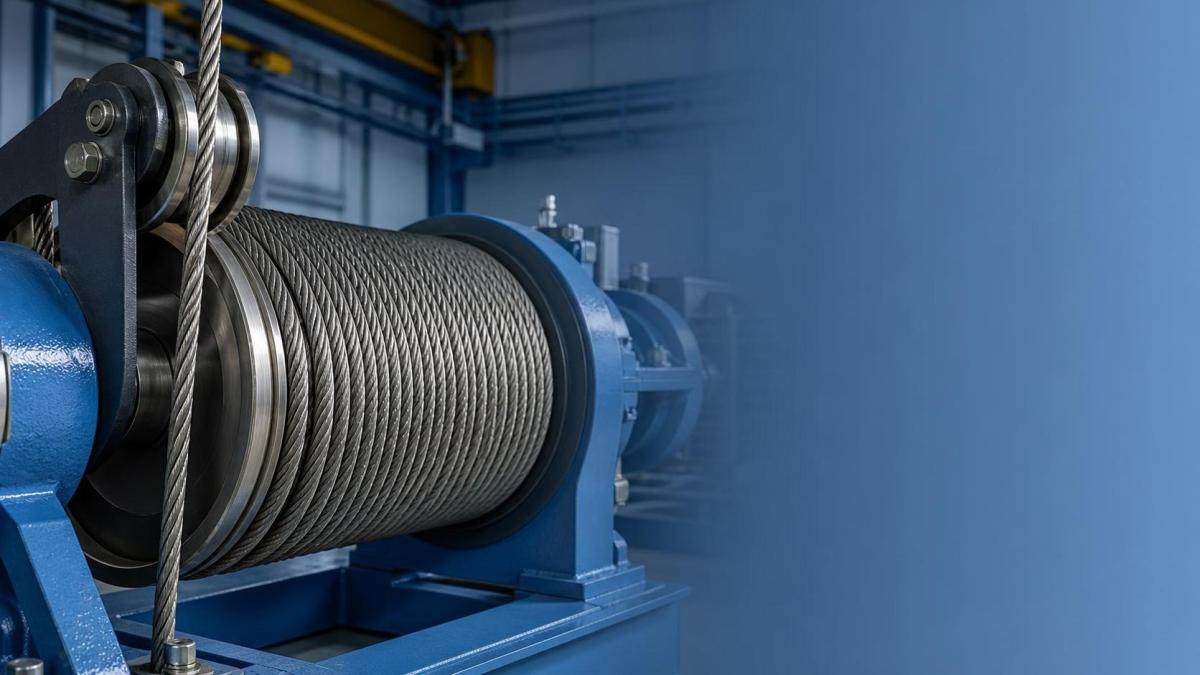
The FC in 6x12 FC is also the reason this rope is not a universal answer for hoisting. A fiber core does not provide the same crush resistance as an independent wire rope core (IWRC). When rope layers build up on a drum, particularly under high line pull or uneven spooling, a fiber-core rope may be more vulnerable to deformation and internal pressure.
It is also not usually the preferred choice for deep lifts, long multi-part reeving systems, or applications where a suspended load may rotate. Standard six-strand ropes can develop torque under load. If the load must remain directionally stable—such as when lifting long structural components, large panels, or unrestrained loads at significant height—an anti-rotation construction may be a better engineering choice.
Moisture and corrosive exposure deserve equal attention. Even if the visible wires look acceptable, water can affect the core and reduce lubrication effectiveness. For outdoor, marine, port, or consistently wet conditions, specify an appropriate galvanized finish and maintain a disciplined lubrication and inspection plan. Bright rope may suit dry indoor service, but it should not be assumed suitable for weather-exposed lifting simply because it has adequate nominal strength.
A Practical Selection Check Before Ordering
A useful selection process begins with the lifting system rather than the rope catalog. Work through the following points with the equipment manual, lifting supervisor, or rope supplier.
1. Identify the actual duty, not only the heaviest load
Record the maximum load, but also consider lift frequency, acceleration, shock loading, lift height, and whether the load is guided. A low-frequency maintenance hoist and a production-line hoist may lift the same weight while placing very different fatigue demands on the rope.
2. Confirm the drum and sheave condition
Check groove profile, groove diameter, fleet angle, and drum surface condition. A worn or mismatched groove can pinch the rope, flatten outer strands, and accelerate wire breaks. The rope diameter must match the groove geometry; an oversized rope can be squeezed, while an undersized one may lack proper support.
3. Review the reeving arrangement
Single-part line systems, multi-fall blocks, and multi-layer drum winding do not load rope in the same way. A 6x12 FC wire rope is generally better suited to conventional general hoisting where rope rotation and crushing are controlled. For demanding multi-layer spooling or high-load crane service, a more crush-resistant design may offer better life.
4. Choose finish for the environment
For dry indoor equipment, a bright lubricated rope may be appropriate. Galvanized wire rope provides added corrosion protection for outdoor handling, agricultural equipment, coastal operations, and intermittent wet exposure. Coating improves resistance to corrosion, but it does not replace cleaning, lubrication, or inspection after contact with water, dust, chemicals, or abrasive material.
5. Check termination compatibility
The rated capacity of a rope assembly depends on its end terminations as well as the rope itself. Wedge sockets, swaged fittings, clips, thimbles, and eye splices each have specific installation requirements and efficiency considerations. Do not mix components casually. The rope, fitting, and assembly method must be suitable for the intended lifting application.
When a Different Construction Is the Better Decision
There is no benefit in forcing a general-purpose rope into a job with more demanding behavior. If the load tends to spin, the lift is tall, or multiple layers on the drum create high compression, consider discussing anti-rotation or rotation-resistant alternatives with a qualified supplier.
For example, applications involving tower crane lifting, port handling equipment, mining traction, or complex high-load reeving may require a construction designed to reduce torsional response. A 19x7 galvanized steel wire rope 4.0-18.0mm Anti rotation steel cable uses a multi-strand arrangement intended to improve load stability and resistance to rotation. It is not a direct replacement for every 6x12 FC application, but it illustrates why rope construction should follow operating risk rather than habit.
Likewise, where crushing resistance is the main concern, an IWRC rope may be more suitable than FC. The trade-off is often reduced flexibility and a different handling feel. Selection is therefore a balance: enough flexibility for the sheaves and duty cycle, enough structural support for the drum pressure and load conditions, and sufficient corrosion protection for the environment.
Inspection: The Operator’s Early Warning System
A rope rarely fails without giving signs of distress. Before each shift or lifting operation, inspect visible rope sections, particularly the areas passing over sheaves, entering the drum, and sitting near end terminations. Look for broken wires, flattening, localized diameter reduction, birdcaging, kinks, corrosion, heat discoloration, or strands that appear unusually loose.
Pay attention to changes in behavior as well. Rough travel, new vibration, uneven spooling, squealing over sheaves, or a load that begins to rotate more than usual can indicate rope or equipment problems. Never attempt to straighten a kinked rope under tension or continue using a rope with obvious structural distortion. Remove it from service and have it assessed according to the governing inspection standard and site procedure.
Lubrication should be applied in a way that reaches the rope’s valleys without coating it so heavily that damage is hidden. Clean off abrasive contamination first where possible. A rope packed with grit can wear internally even when the outer surface appears well lubricated.
Making the Final Choice
A 6x12 FC wire rope remains a practical option for controlled general hoisting where flexibility, manageable handling, and normal bending performance are priorities. It is most convincing when the equipment has suitable sheaves and drum grooves, the loading is predictable, the rope is protected from severe crushing, and operators inspect it consistently.
If the job includes high rotation risk, severe multi-layer winding, harsh corrosion, frequent shock loading, or difficult load control, pause before selecting the familiar construction. Matching rope design to real operating conditions protects the equipment, the load, and the people working beneath it—far more effectively than choosing by diameter or price alone.
Navigation
Send Us A Message



Shandong Faster Technology Co., Ltd. is a professional manufacturer of steel wire ropes.
Get in Touch
*We respect your confidentiality and all information are protected.